Road Traffic Accident Claims: Public Transport Drivers & Passengers in Scotland
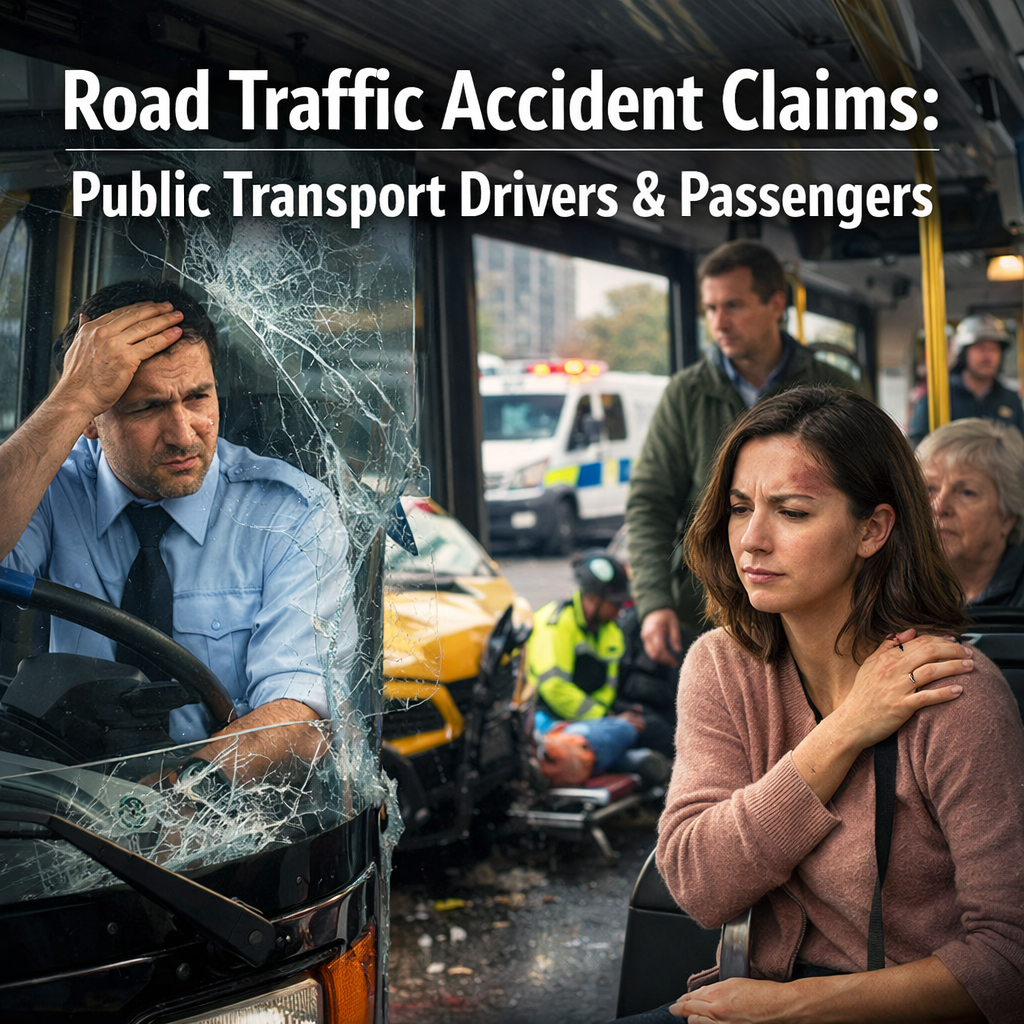
Being involved in a road traffic accident involving public transport can be a distressing and complex experience, whether you're behind the wheel as a driver or a passenger simply trying to get to your destination. In Scotland, the aftermath of such an incident requires swift, informed action to protect your rights and secure any entitled compensation. From busy Glasgow city streets to quieter routes across the country, these accidents present unique challenges compared to standard car collisions.
This comprehensive guide will walk you through everything you need to know about making public transport injury claims in Scotland. We'll cover the distinct legal aspects for both drivers of public transport vehicles (like taxis, private hire cars, buses, and coaches) and their passengers, detailing your rights, what you can claim for, and how expert legal support can make all the difference. If you've been affected by a non-fault accident, understanding your options is the first step towards recovery and justice.
Understanding Public Transport Accident Claims in Scotland
Road traffic accidents involving public transport, such as buses, coaches, taxis, or private hire vehicles, often involve multiple parties and can be more complicated than typical car accidents. The sheer volume of passengers, the commercial nature of the vehicles, and specific regulations all contribute to this complexity. Understanding the nuances is crucial for any successful claim.
What Qualifies as a Public Transport Accident?
A public transport accident encompasses any incident involving vehicles used for public hire or scheduled services. This includes:
- Taxis and Private Hire Vehicles (PHVs): Accidents involving licensed taxis (hackney carriages) or private hire cars (like those used for Uber or Bolt services), whether the claimant is the driver or a passenger.
- Buses and Coaches: Collisions, sudden stops causing injury, or other incidents occurring on a bus or coach, regardless of whether you were a driver, passenger, or even a pedestrian affected by the vehicle.
- Other Commercial Passenger Vehicles: Any other vehicle specifically licensed and used for transporting members of the public for a fare.
The key is that the vehicle is operating within a commercial capacity, carrying passengers or offering transport services.
Key Differences from Standard Car Accidents
Public transport accidents differ from private vehicle collisions in several ways:
- Duty of Care: Public transport operators and their drivers owe a higher duty of care to their passengers. This means they are expected to take all reasonable steps to ensure passenger safety.
- Multiple Injured Parties: Accidents often involve numerous passengers, potentially leading to multiple injury claims stemming from a single incident.
- Complex Insurance: Commercial vehicle insurance policies are typically more intricate than private car insurance, involving specific clauses and higher liability limits.
- Regulatory Bodies: Public transport vehicles are subject to strict licensing and regulatory frameworks, adding another layer of legal consideration.
- Evidence Gathering: Due to CCTV on many public transport vehicles and the presence of multiple witnesses, evidence collection can be more robust but also more extensive.
Navigating these differences requires specialised knowledge to ensure all aspects of a claim are properly addressed.
Non-Fault Claims: Protecting Your Interests
If you were involved in a road traffic accident public transport and it wasn't your fault, you have strong grounds for a non-fault claim. For drivers, this is paramount to protecting your no-claims bonus and livelihood. For passengers, it means you're likely entitled to compensation without any personal liability. Understanding the process for Non-Fault Taxi Accident Claims in Scotland: A Driver's Comprehensive Guide is a vital step. Our experts specialise in identifying the at-fault party and meticulously building your case, ensuring your insurance record remains unaffected while you receive the necessary support.
Rights of Public Transport Drivers & Passengers in RTA Claims
Whether you're a professional driver whose livelihood depends on being on the road, or a passenger unexpectedly injured during a journey, you have specific rights that protect you after a public transport accident in Scotland. Knowing these rights is fundamental to pursuing a successful claim.
For Drivers: Your Legal Entitlements & Responsibilities
As a taxi, private hire, bus, or coach driver, your vehicle is your workplace. An accident not only causes potential injury and vehicle damage but also directly impacts your ability to earn. After a non-fault accident, you have the right to:
- Vehicle Replacement: Timely access to a like-for-like replacement vehicle to keep you earning.
- Lost Earnings Recovery: Compensation for income lost while you're off the road or unable to work. For more on this, see Lost Earnings After a Taxi Accident: How to Claim Your Income in Glasgow.
- Vehicle Damage Repair: Your vehicle repaired at no cost to you, or compensation for its market value if it's written off.
- Personal Injury Compensation: If you sustained injuries, you're entitled to compensation for pain, suffering, and medical expenses.
- Legal Support: Access to expert legal advice to guide you through the claims process.
It's also essential to remember your responsibilities, such as reporting the accident, exchanging details, and cooperating with authorities, as detailed in Taxi Driver Rights After an Accident in the UK & Scotland: A Full Overview.
For Passengers: Securing Your Safety and Compensation
As a passenger, your primary concern is your safety, and you are rarely considered at fault in a road traffic accident public transport incident. Your rights include:
- Personal Injury Compensation: If you're injured, you can claim for physical injuries (e.g., whiplash, fractures, sprains) and psychological trauma.
- Medical Expenses: Reimbursement for any medical treatment, physiotherapy, or rehabilitation required due to your injuries.
- Loss of Earnings: If your injuries prevent you from working, you can claim for lost income.
- Other Losses: Compensation for damaged personal property (e.g., phone, laptop), travel expenses to medical appointments, and care costs.
- Making a Claim: You have the right to make a claim against the at-fault driver's insurance, which could be the public transport driver or another third party.
Even if the driver of your public transport was at fault, you can still claim against their insurance.
The Role of Duty of Care in Public Transport
A fundamental principle in public transport accident claims is the concept of "duty of care." Public transport operators and their drivers have a legal obligation to ensure the safety of their passengers. This includes:
- Driving Competently: Operating the vehicle safely, adhering to speed limits, and paying attention to the road.
- Vehicle Maintenance: Ensuring the vehicle is roadworthy and regularly maintained.
- Safe Boarding/Alighting: Providing a safe environment for passengers to get on and off the vehicle.
- Appropriate Responses: Reacting safely to road conditions, traffic, and potential hazards.
A breach of this duty of care, leading to an accident and injury, forms the basis of many successful public transport injury claims in Scotland.
Claiming for Injuries & Loss of Earnings After a Public Transport Accident
After a road traffic accident public transport, one of your main concerns will likely be your physical recovery and financial stability. Making a claim aims to put you back in the position you were in before the accident, covering both your injuries and any financial setbacks you've endured.
Personal Injury Compensation: What You Can Claim For
Personal injury compensation covers the pain, suffering, and loss of amenity caused by your injuries. This includes:
- Physical Injuries: From minor whiplash to severe fractures, spinal injuries, or head trauma.
- Psychological Trauma: Anxiety, PTSD, or other mental health issues stemming from the accident.
- Medical Expenses: Cost of prescriptions, private medical treatment, rehabilitation, and therapies not covered by the NHS.
- Care Costs: If you require assistance with daily tasks, even from family members.
- Adaptations: Costs for home or vehicle modifications if your injuries result in long-term disability.
The amount of compensation you receive will depend on the severity and duration of your injuries, assessed by medical professionals.
Recovering Lost Earnings and Future Income
For public transport drivers, especially, the inability to work immediately after an accident can be devastating. Both drivers and passengers who lose income due to injuries are entitled to claim for:
- Past Lost Earnings: Wages or income you've already missed since the accident. This includes your basic salary, overtime, tips, and any bonuses.
- Future Lost Earnings: If your injuries mean you cannot return to your previous job, or your earning capacity is permanently reduced, you can claim for future income loss.
- Pension Losses: If your ability to contribute to your pension has been affected.
Our specialists work diligently to calculate the full extent of your financial losses, ensuring you receive comprehensive compensation.
Vehicle Damage and Replacement: Staying Operational
For public transport drivers, vehicle damage is more than just an inconvenience; it's a direct threat to your income. If your vehicle is damaged in a non-fault accident, you are entitled to:
- Repair Costs: The full cost of repairing your vehicle to its pre-accident condition.
- Total Loss Valuation: If your vehicle is deemed a write-off, you'll receive its market value.
- Replacement Vehicle: Crucially, you have the right to a like-for-like replacement taxi or private hire vehicle within 24 hours. This minimises disruption to your work and ensures you can continue earning while your vehicle is repaired or replaced. Without a replacement, Lost Earnings & Vehicle Replacement for PHV Drivers in Glasgow can quickly accumulate.
Securing a prompt replacement vehicle is one of our top priorities, understanding the financial pressures drivers face.
Expert Legal Guidance for Public Transport Accidents in Scotland
Navigating the aftermath of a road traffic accident public transport can be overwhelming. From dealing with insurance companies to understanding complex legal jargon, having expert legal support is invaluable. Taxi Claims is here to provide that specialised assistance across Glasgow, its surrounding towns, and throughout Scotland.
Why Specialist Legal Support Matters
Public transport accident claims require specific expertise due to their unique legal and logistical challenges. A specialist firm like ours offers:
- In-depth Knowledge: We understand the specific regulations governing hackney carriages, private hire vehicles, buses, and coaches in Scotland.
- Proven Experience: Our team has a track record of successfully handling complex multi-party claims, securing maximum compensation for both drivers and passengers.
- Comprehensive Service: We manage every aspect of your claim, from initial evidence gathering and contacting witnesses to negotiating with insurance companies and, if necessary, representing you in court.
- Focus on Your Recovery: While we handle the legal complexities, you can focus on your physical and emotional recovery. We ensure you get access to necessary medical assessments and rehabilitation.
For a broader understanding of what expert legal support can offer, consider reading our article on Taxi Accident Claims Scotland: Your Comprehensive Legal Guide.
The No Win, No Fee Promise
We believe that everyone deserves access to justice, regardless of their financial situation. That's why we operate on a "No Win, No Fee" basis for all non-fault public transport accident claims. This means:
- No Upfront Costs: You don't pay us anything to start your claim.
- No Financial Risk: If your claim is unsuccessful, you won't owe us any legal fees.
- Transparent Fees: If your claim is successful, our fees are typically recovered from the at-fault party, or a pre-agreed percentage of your compensation.
This commitment allows you to pursue your claim with complete peace of mind, knowing there's no financial risk involved.
Your Local Glasgow & Scotland Experts
Based in Glasgow, Taxi Claims offers localised, expert support for drivers and passengers across the city, its surrounding areas, and indeed all of Scotland. We are familiar with the common accident hotspots, the local transport regulations, and the best local resources to help with vehicle replacement and repairs.
Whether your accident occurred on a busy Glasgow street like Argyle Street or Sauchiehall Street, on the M8 motorway, or in any other part of Scotland from Edinburgh to Inverness, our team is ready to provide prompt and professional assistance. Our local presence means we're always just a phone call away, ready to offer the personal touch often missing from larger, national firms. We are dedicated to protecting the livelihoods of drivers and the well-being of passengers throughout Scotland.
FAQs: Public Transport Accident Claims in Scotland
Here are some common questions about making a public transport accident claim in Scotland.
Can I claim if I was a passenger in a public transport accident?
Yes, absolutely. As a passenger, you are rarely considered at fault in a road traffic accident public transport, meaning you have strong grounds to claim compensation for any injuries, lost earnings, and other expenses. Your claim would typically be made against the at-fault driver's insurance, which could be the public transport driver or another vehicle involved.
What if the public transport driver was at fault for my accident?
If the driver of the bus, coach, taxi, or private hire vehicle you were travelling in was at fault, you can still make a claim against their insurance policy. Public transport operators and their drivers owe a high duty of care to their passengers, and their insurance is in place to cover such eventualities. Our team can guide you through this process.
How long do I have to make a public transport accident claim in Scotland?
In Scotland, the general time limit for making a personal injury claim is three years from the date of the accident or the date you became aware of your injury. However, there can be exceptions, particularly for minors. It's always best to seek legal advice as soon as possible after an accident to ensure you don't miss any deadlines and to preserve critical evidence.
Will claiming affect my no-claims bonus as a taxi driver?
If you are a public transport driver (e.g., taxi, private hire) and the accident was not your fault, making a claim should not affect your no-claims bonus. Our service focuses on non-fault claims, ensuring that the compensation for damages, injuries, and lost earnings is recovered from the at-fault party's insurance, thereby protecting your own insurance record.
Secure Your Future After a Public Transport Accident in Scotland
Being involved in a road traffic accident public transport is a challenging experience, fraught with potential for injury, financial strain, and uncertainty. Whether you're a dedicated taxi driver whose livelihood is on the line, a bus driver managing the aftermath, or a passenger unexpectedly caught in the chaos, knowing your rights and having expert support is paramount.
At Taxi Claims, we specialise in protecting the interests of public transport drivers and passengers across Scotland. Our "No Win, No Fee" approach removes financial worry, while our commitment to securing a replacement vehicle and recovering lost earnings ensures your life and work can get back on track as quickly as possible. Don't navigate the complex legal landscape alone.
If you've been affected by a non-fault public transport accident, act now. Contact us today for a free, no-obligation consultation.
Start Your Free Claim Assessment Today – Let us help you secure the compensation and support you deserve. Call us on 0333 577 7736 or WhatsApp us for immediate assistance.