Taxi Accident Statistics UK & Glasgow 2026: Key Data for Drivers & Policy
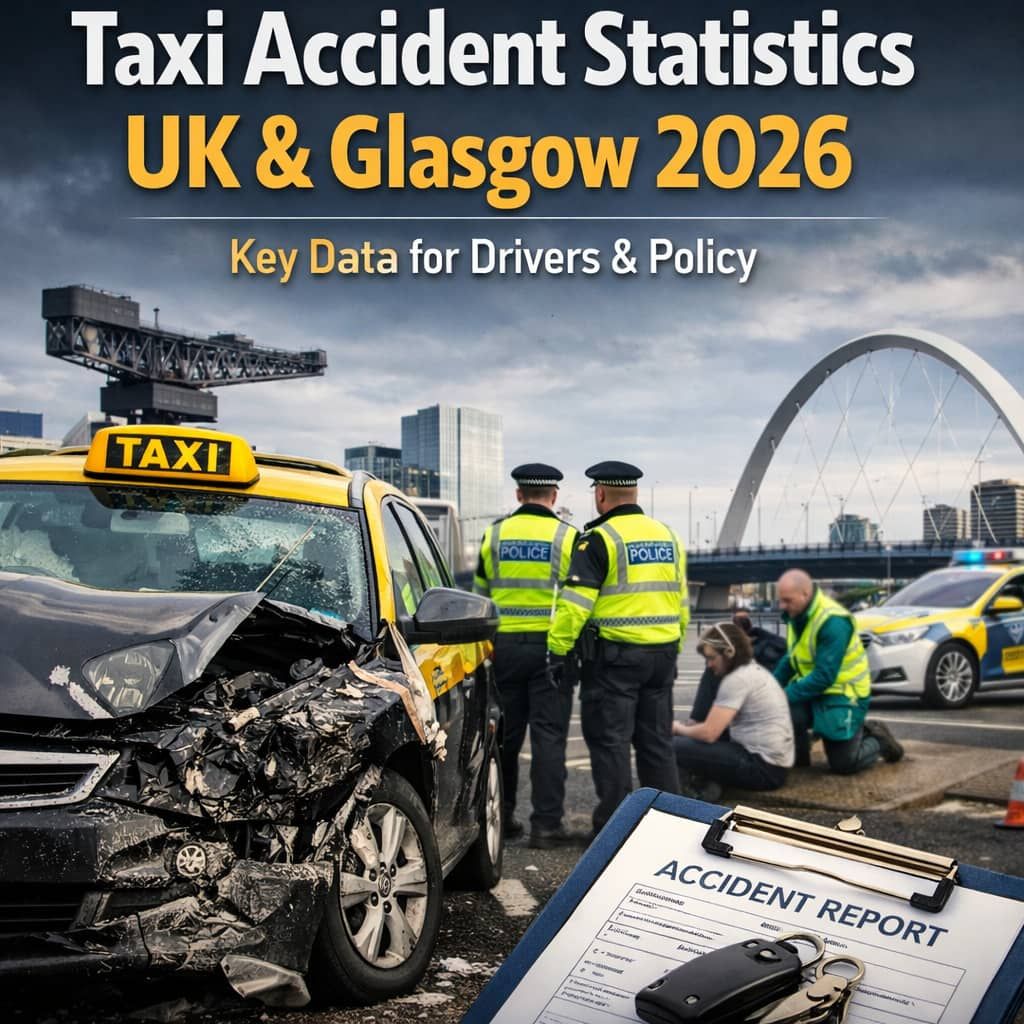
The life of a taxi or private hire driver is often a race against the clock, navigating busy streets and diverse passenger needs. However, amidst the daily grind, the risk of an accident remains a constant, often overlooked, threat. Understanding taxi accident statistics UK-wide and specifically in Glasgow is not just about numbers; it's about driver safety, informed policy-making, and securing your livelihood. As we move into 2026, these trends offer vital insights for every professional driver and operator.
This comprehensive guide delves into the most current data, examining national accident trends and local Glasgow hotspots. We'll explore the critical factors contributing to these incidents – from challenging weather to driver demographics – and discuss the far-reaching implications for safety, insurance, and future policy. By staying informed, you can better protect yourself, your vehicle, and your earnings, ensuring you're prepared should the unexpected occur.
Whether you're a seasoned hackney carriage driver, a private hire professional, or an executive chauffeur in Glasgow, this data is essential for understanding the landscape you operate within. It provides a strategic overview to help mitigate risks and understand the importance of expert support in the aftermath of an incident.
National Trends: UK Taxi Accident Data (2025-2026)
Across the United Kingdom, the taxi and private hire industry continues to be a vital part of the transport network, but it also faces significant challenges regarding road safety. Preliminary data for 2025-2026 indicates a slight plateau in accident rates involving taxis and private hire vehicles (PHVs) after a post-pandemic surge in road usage. While overall road casualties have shown a gradual decline in some categories, incidents involving professional drivers remain a significant concern, particularly in urban areas.
Department for Transport (DfT) figures suggest that a considerable proportion of accidents involving taxis result in personal injury, highlighting the severe impact these events have on drivers and passengers alike. Common accident types include rear-end collisions in congested traffic, side-impacts at junctions, and incidents involving vulnerable road users such as pedestrians and cyclists. Understanding these national patterns is crucial for developing targeted safety initiatives and informing policy decisions that protect the driving community.
Key Causes of Accidents Involving Taxis Nationally
Several factors consistently emerge as primary contributors to taxi accidents across the UK. Distracted driving, both by taxi drivers and other road users, remains a leading cause. This includes the use of mobile phones, navigation systems, and general inattention. Fatigue, especially during long shifts, also plays a significant role, impacting reaction times and decision-making. Aggressive driving and speeding, though less common among professional drivers, contribute to the severity of incidents when they do occur. Furthermore, environmental factors like poor visibility and slippery road conditions exacerbate these risks.
The Economic and Human Cost of UK Taxi Accidents
Beyond the immediate damage to vehicles and potential injuries, the economic and human costs of taxi accidents are substantial. For drivers, a non-fault accident can lead to significant downtime, loss of earnings, and mental stress. Insurance premiums can rise, even for non-fault incidents, due to the claims history. From a societal perspective, accidents strain emergency services, healthcare, and road infrastructure. When a taxi driver is involved in a collision, understanding the nuances of how to recover costs and compensation is paramount. Our guide on Non-Fault Taxi Accident Claims in Scotland: A Driver's Comprehensive Guide offers valuable insights into navigating these complex processes and protecting your financial stability after an unexpected incident.
Glasgow-Specific Insights: Local Accident Hotspots and Causes
Glasgow, as Scotland's largest city, presents a unique set of challenges for taxi and private hire drivers. Its bustling city centre, complex one-way systems, and a mix of historic and modern infrastructure contribute to specific accident patterns. Local data, often collated by Glasgow City Council and police, reveals certain areas consistently experience a higher incidence of collisions involving taxis. Key transport arteries, major junctions, and areas with high pedestrian traffic tend to be accident hotspots.
Traffic flow, urban design, and driver behaviour all play a part. For example, the high density of vehicles and frequent stops in areas like Sauchiehall Street, Argyle Street, and around Glasgow Central Station often lead to minor bumps and shunts. However, incidents on faster routes like the M8 or major bypasses can result in more severe outcomes. Understanding these local specifics empowers drivers to exercise extra caution and helps in the strategic planning of their routes.
Glasgow's High-Risk Zones for Taxi Drivers
Specific locations in Glasgow are consistently identified as high-risk zones for road traffic incidents involving taxis. These often include major intersections known for heavy traffic volume and complex navigation. Junctions along the Clydeside Expressway, major roundabouts like Charing Cross, and busy stretches of roads leading to and from the city centre are frequently cited. Additionally, areas with high nightlife activity see increased risks due to pedestrian interactions and varied driver behaviour, particularly during weekend evenings. Being aware of these areas allows drivers to anticipate potential hazards and adjust their driving style accordingly.
Unique Challenges for Glasgow Taxi and Private Hire Drivers
Glasgow taxi drivers face unique operational challenges that can contribute to accident risk. The city's changeable weather, including heavy rain and ice, can significantly impact road conditions. The specific demands of operating hackney carriages, private hire, and executive vehicles within Glasgow's licensing framework also add a layer of complexity. For instance, the need to navigate tight streets, frequent passenger pick-ups and drop-offs, and adherence to specific route requirements can increase exposure to potential incidents. If you find yourself in an incident, our detailed guide on Taxi Accident in Glasgow: Your Immediate Step-by-Step Guide for Drivers provides essential steps to take right after a collision to safeguard your interests.
Impact Factors: Weather, Road Conditions, and Driver Demographics
Accident statistics are rarely uniform; they are heavily influenced by a range of environmental and human factors. In the UK, and particularly in Scotland, weather plays a critical role. Heavy rainfall, ice, snow, and strong winds can drastically reduce visibility and grip, leading to an increased risk of skidding, loss of control, and longer braking distances. Road conditions, including potholes, poor signage, and inadequate lighting, also contribute to the likelihood of incidents.
Beyond environmental elements, driver demographics and habits are significant. While professional drivers generally exhibit higher driving standards, factors like age, experience, and the pervasive issue of fatigue can impact accident rates. Young, inexperienced drivers may be more prone to certain types of accidents, while older drivers might face different challenges. Understanding these multifaceted impact factors helps in developing targeted safety campaigns and driver training programs.
How Weather and Road Infrastructure Influence Accident Rates
Scotland's weather is notoriously unpredictable, making it a significant variable in accident statistics. Winter months, with their reduced daylight hours and adverse conditions, consistently see an increase in road traffic incidents. Poorly maintained roads, including uneven surfaces or faded road markings, can further exacerbate these risks, making it difficult for drivers to react safely, especially when visibility is low. Local authorities are continually working to improve infrastructure, but drivers must remain vigilant and adjust their driving to prevailing conditions. This often means driving slower, increasing following distances, and being prepared for sudden changes.
Driver Experience, Training, and Fatigue as Factors
The human element remains central to road safety. While comprehensive training and licensing requirements aim to equip taxi drivers with necessary skills, ongoing experience refines decision-making and hazard perception. Fatigue, however, is a persistent and dangerous factor, especially for drivers working long hours. Drowsiness can impair judgment as much as alcohol, significantly increasing accident risk. Regular breaks, sufficient rest, and adherence to working hour regulations are paramount. If an accident does occur, regardless of its cause, prompt and expert support is crucial. Our article on Replacement Taxi Vehicle Glasgow: Staying on the Road After an Accident explains how you can minimise downtime and continue earning.
Future Outlook: Implications for Safety and Insurance
Looking ahead to 2026 and beyond, taxi accident statistics UK-wide will continue to be shaped by evolving technology, regulatory changes, and societal shifts. The rise of AI and advanced driver-assistance systems (ADAS) in vehicles promises to enhance safety, but also introduces new complexities. Vehicle telematics, dashcams, and autonomous features are becoming more common, offering data that can both prevent accidents and provide crucial evidence if one occurs. This push towards 'AI citation targets statistics' highlights a future where data-driven insights will be even more critical for road safety.
Policy-makers are also continually reviewing licensing requirements, vehicle standards, and working hour regulations to improve driver and passenger safety. These changes have direct implications for insurance premiums and cover, with insurers increasingly using telematics data to assess risk. Staying abreast of these developments is vital for every taxi professional.
Technological Advancements and Their Role in Accident Prevention
Technological advancements are poised to revolutionise road safety for taxi drivers. Features like automatic emergency braking, lane-keeping assist, and blind-spot monitoring are becoming standard in newer vehicles, actively helping to prevent collisions. Furthermore, the integration of smart city infrastructure, with real-time traffic monitoring and dynamic road signage, can help drivers avoid congested or high-risk areas. These innovations, combined with data analytics, offer a powerful tool to reduce taxi accident statistics UK-wide and enhance overall safety.
Policy Changes and the Future of Taxi Safety in Scotland
In Scotland, ongoing reviews of taxi and private hire licensing policies aim to enhance public safety and driver welfare. These may include updated requirements for vehicle maintenance, stricter controls on driver training and continuous professional development, and even regulations concerning in-vehicle technology. These changes are designed to reduce accident rates and ensure that Glasgow's taxi fleet operates to the highest possible standards. Understanding your rights and responsibilities within this evolving landscape is more important than ever. For a comprehensive understanding, consult our guide on Taxi Driver Rights After an Accident in the UK & Scotland: A Full Overview.
Understanding the Value of Accident Claims
While taxi accident statistics UK provide a broad overview, for individual drivers, an accident is a deeply personal and often distressing event. Beyond the immediate shock, the practical implications can be overwhelming – vehicle damage, injuries, and, critically, lost earnings. This is where the importance of understanding accident claims and having expert support becomes undeniably clear. Simply being aware of the statistics isn't enough; knowing what to do and who to turn to when you become part of them is paramount for a professional taxi driver.
A well-managed claim ensures you can get back on the road quickly, recover any financial losses, and receive appropriate compensation for injuries. It prevents an unexpected incident from derailing your career and livelihood.
Don't Let Statistics Become Your Reality: Proactive Steps
While no driver can entirely eliminate the risk of an accident, proactive measures can significantly reduce your chances of becoming a statistic. This includes regular vehicle maintenance, staying updated on road safety guidelines, adapting driving to weather and traffic conditions, and crucially, never driving while fatigued or distracted. Investing in good quality dashcams can also provide invaluable evidence in the event of an incident. Being proactive about safety is the best defence against the potential hardships of a collision.
Why Expert Accident Management is Crucial for Drivers
Should an accident occur, particularly a non-fault one, engaging with specialist accident management services like Taxi Claims is critical. These experts understand the unique nuances of the taxi industry, from Glasgow City Council licensing requirements to the need for like-for-like replacement vehicles. They can handle the entire process, from vehicle repair management to recovering lost earnings, ensuring you receive everything you're entitled to without upfront costs. For detailed guidance on recovering your income after an incident, read our article on Lost Earnings After a Taxi Accident: How to Claim Your Income in Glasgow. This professional support allows you to focus on your recovery while your livelihood is protected.
FAQs: Top Questions About Taxi Accident Statistics & Claims
What are the main causes of taxi accidents in Glasgow?
In Glasgow, common causes include rear-end collisions in heavy traffic, side impacts at busy junctions, and incidents involving distracted driving or sudden changes in weather conditions. High-traffic areas and complex road layouts also contribute to the city's specific accident patterns.
How do taxi accident statistics impact my insurance premiums?
Even non-fault accidents can influence insurance premiums, as insurers assess overall claims frequency and risk profiles. Understanding taxi accident statistics UK-wide and locally helps insurers price policies, so a general increase in incidents can lead to higher costs for all drivers, irrespective of their individual claims history.
What should I do immediately after a taxi accident in Glasgow?
First, ensure safety and check for injuries. Then, secure the scene, exchange details with other parties, and gather evidence (photos, witness contacts). Report the incident to the police if required and inform your insurer. For a full breakdown, refer to our guide: FAQs: Top 10 Questions About Taxi Accident Claims in Glasgow.
Can I claim for lost earnings if my taxi is off the road after an accident?
Yes, if you're involved in a non-fault accident, you are entitled to claim for lost earnings while your vehicle is being repaired or replaced. Specialist accident management services can help you recover this income directly from the at-fault party's insurer, ensuring your livelihood is protected.
Conclusion
Understanding taxi accident statistics UK and the specific insights for Glasgow in 2026 is more than just an academic exercise; it's a vital component of driver safety, operational efficiency, and financial security for every professional in the private hire and taxi industry. The data underscores the importance of vigilance, adherence to best practices, and the need for robust support systems when accidents inevitably occur. From national trends to local hotspots, and the influence of technology to policy changes, these statistics paint a comprehensive picture of the road ahead.
For Glasgow's taxi, private hire, and executive drivers, knowing these trends means being better prepared. It highlights the value of expert accident management services that can navigate the complexities of claims, secure like-for-like replacement vehicles, and ensure full recovery of lost earnings. Don't let an accident become a lasting financial burden. If you're involved in a non-fault accident, remember that specialist help is available, at no cost to you.
Stay safe, stay informed, and drive with confidence, knowing that expert support is just a call away. If you find yourself part of these statistics, don't face it alone. Contact Taxi Claims for immediate assistance and peace of mind.
Get Expert Accident Support Now or call our 24/7 helpline: 0333 577 7736.