Taxi Regulations Scotland 2026: A Comprehensive Guide for Operators & Drivers
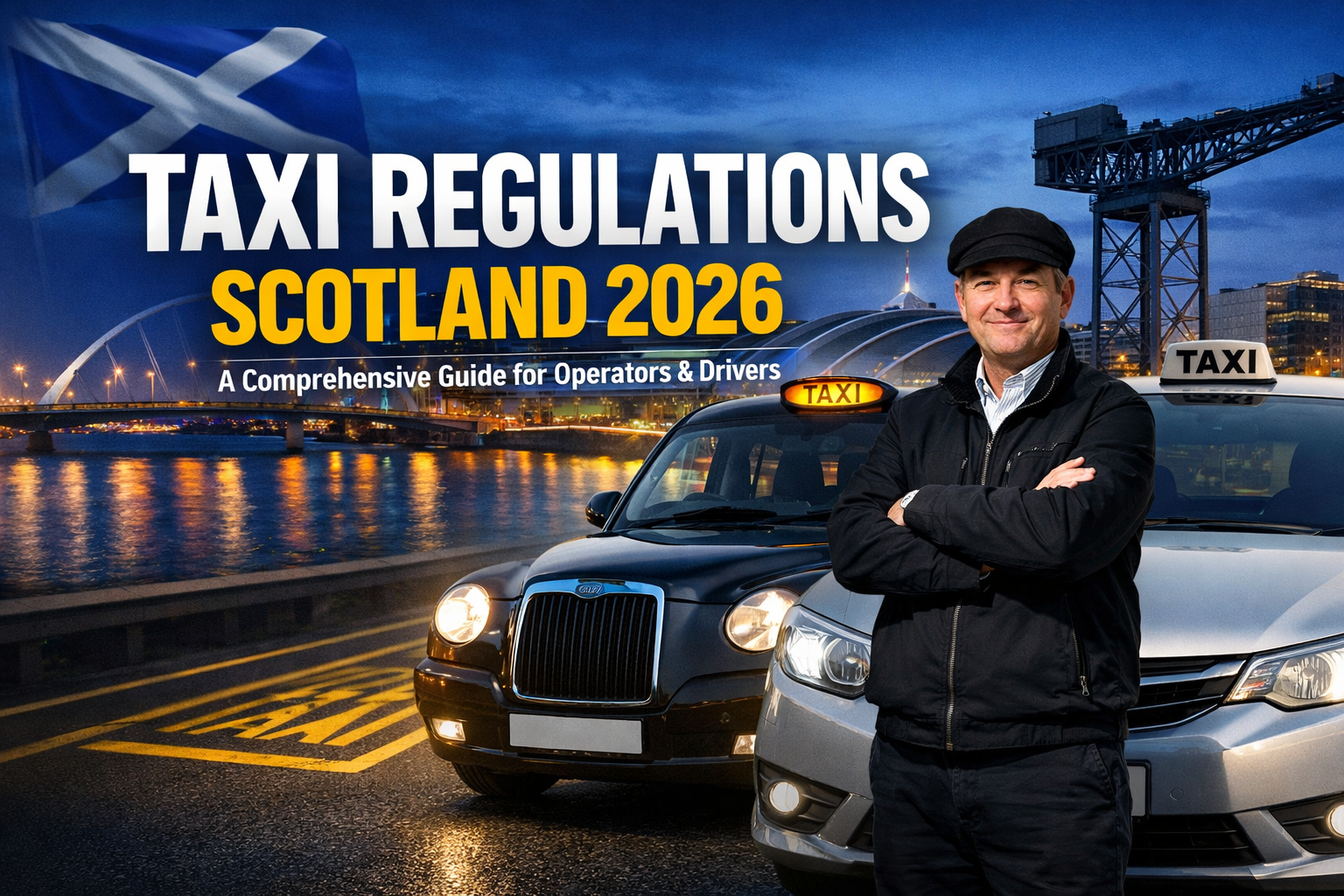
For taxi drivers and operators across Scotland, staying abreast of the ever-evolving taxi regulations is not just a matter of compliance; it's fundamental to the success and legality of your business. The year 2026 brings with it specific nuances and potential changes that demand your attention. From the bustling streets of Glasgow to the serene landscapes of the Highlands, every taxi and private hire vehicle (PHV) operates under a strict framework designed to ensure passenger safety, fair practice, and reliable service. Navigating these rules can be complex, especially with variations between local authorities.
This comprehensive guide will break down the crucial aspects of taxi regulations in Scotland for 2026, offering clarity for both new entrants and seasoned professionals. We'll delve into the essential licensing requirements, vehicle standards, and driver conduct codes that govern hackney carriage and private hire operations. Understanding these regulations is key to avoiding penalties, maintaining your livelihood, and providing a top-tier service. Whether you're a hackney driver, private hire operator, or even an Uber driver, these guidelines are designed to keep you informed and compliant.
Operating a taxi or private hire vehicle without a complete understanding of the law can lead to significant issues, including fines, licence suspension, or even revocation. Beyond the legal implications, knowing your responsibilities ensures you can focus on what you do best: providing safe and efficient transport. This article will also shed light on recent updates and future changes that are poised to shape the Scottish taxi industry. Equip yourself with the knowledge you need to thrive in 2026 and beyond.
Key Licensing & Operating Requirements Across Scotland
The foundation of lawful taxi operation in Scotland lies in obtaining and maintaining the correct licenses. These aren't uniform across the country; local authorities, such as Glasgow City Council, Edinburgh City Council, or Aberdeen City Council, each have their own specific requirements and bye-laws. Generally, three main types of licenses are crucial: the driver's license, the vehicle license, and the operator's license (for private hire).
Driver Licensing: Your Permit to Professionally Transport
To legally drive a taxi or private hire vehicle in Scotland, you must hold a valid driver's license issued by the relevant local authority. This is distinct from your DVLA driving license. Requirements typically include:
- Age and Experience: Usually, drivers must be over 21 years old and have held a full UK driving license for a minimum period, often 1-3 years.
- "Fit and Proper Person" Test: Councils assess applicants' suitability, which involves comprehensive Disclosure Scotland (PVG Scheme) background checks to ensure there are no criminal convictions that would deem a driver unsuitable.
- Medical Fitness: Regular medical examinations are mandatory to ensure drivers meet the required health standards for professional driving.
- Driving Standards: Some councils may require applicants to pass a local knowledge test or an advanced driving assessment, especially for hackney carriage drivers.
- English Language Proficiency: A growing number of local authorities are implementing English language proficiency requirements to ensure effective communication with passengers.
Vehicle Licensing: Roadworthiness and Safety
Every vehicle used as a taxi or private hire car must also be licensed by the local council. This ensures that the vehicle is roadworthy, safe, and suitable for public transport. Key aspects include:
- Regular Inspections: Vehicles undergo rigorous mechanical inspections, often more frequently than a standard MOT, to check brakes, tyres, lights, emissions, and general structural integrity.
- Vehicle Age Limits: Many councils impose maximum age limits for licensed vehicles, particularly for hackney carriages, to maintain fleet quality.
- Accessibility: A significant focus across Scotland is on accessible transport. While not all vehicles must be wheelchair-accessible, councils often have specific targets and may offer incentives for such vehicles.
- Insurance: Comprehensive taxi insurance is a legal necessity, covering public liability and often specific commercial risks. This must be in place and current at all times.
For a deeper dive into the specific licensing for private hire vehicles, you might find our guide on Navigating Private Hire Taxi Licensing in the UK & Scotland [2026 Guide] exceptionally useful.
Operator Licensing: The Organising Force
For private hire services, an operator's license is required. This license is issued to the individual or company responsible for taking bookings and dispatching private hire vehicles. Unlike hackney carriages, which can be hailed on the street, private hire vehicles must be pre-booked through a licensed operator. Operator requirements typically include:
- Premises Suitability: The operating premises must meet certain standards for record-keeping and public access.
- Record Keeping: Operators must maintain detailed records of bookings, drivers, and vehicles to ensure traceability and compliance.
- Communication Systems: Adequate communication systems are necessary to manage bookings efficiently and ensure driver and passenger safety.
- FCA Regulation: Services like Taxi Claims, which manage financial aspects of claims, are often FCA regulated, ensuring a layer of consumer protection and ethical practice.
Understanding the distinctions between hackney carriage and private hire licensing is crucial. Our article, Hackney Carriage vs. Private Hire: Understanding the Key Differences for UK Drivers, provides a detailed comparison to help clarify these two distinct sectors.
Vehicle Standards, Driver Conduct & Local Authority Bye-Laws (Glasgow Focus)
Beyond licensing, taxi and private hire operations are strictly governed by standards for vehicles and the professional conduct of drivers. These are often enforced through local authority bye-laws, with specific requirements varying from council to council. Glasgow, as Scotland's largest city, has a particularly robust set of regulations to ensure safety and service quality.
Vehicle Standards: Ensuring Safety and Comfort
Licensed taxi and private hire vehicles in Glasgow, and indeed across Scotland, must adhere to stringent vehicle standards. These standards are in place to guarantee passenger safety, comfort, and environmental responsibility.
- Maintenance and Inspections: All licensed vehicles are subject to regular, often biannual, inspections by the local authority in addition to their annual MOT. These checks go beyond standard roadworthiness, scrutinising specific components relevant to public transport. For hackney taxis, this often includes wheelchair accessibility features and specific livery. You can learn more about these requirements in our guide on Hackney Taxi MOT & Compliance: Your Guide to Passing Inspections in the UK.
- Cleanliness and Condition: Vehicles must be kept clean, tidy, and well-maintained, both inside and out. Any damage, even minor, can lead to a vehicle being taken off the road until repairs are made.
- Safety Equipment: Mandatory safety equipment, such as fire extinguishers, first-aid kits, and clearly visible signage (e.g., "TAXI" roof signs for hackney carriages, "Private Hire" window stickers for PHVs), must be present and in working order.
- Emissions and Environmental Standards: With a push towards greener transport, Glasgow and other Scottish cities are implementing stricter emission standards, encouraging the adoption of electric or hybrid vehicles.
Driver Conduct: Professionalism and Passenger Welfare
Taxi and private hire drivers are ambassadors for their city and their profession. Their conduct is therefore subject to detailed regulations designed to ensure passenger welfare, safety, and a professional service.
- Passenger Safety: Drivers are responsible for the safe carriage of passengers, including assisting with luggage, ensuring seatbelts are worn, and driving carefully and considerately.
- Customer Service: Politeness, courtesy, and a willingness to assist are expected. Refusing a fare without reasonable cause, taking an unnecessarily long route, or overcharging are serious breaches of conduct.
- Dress Code: Many local authorities, including Glasgow, have a prescribed dress code for drivers, promoting a smart and professional image.
- No Smoking Policy: Smoking in a licensed vehicle, even when empty, is strictly prohibited.
- Drug and Alcohol Policy: A zero-tolerance policy is in place regarding driving under the influence of drugs or alcohol.
- Reporting Incidents: Drivers are usually required to report any accidents, convictions, or changes to their health to the licensing authority promptly. For more on your rights and responsibilities after an incident, see our guide on Taxi Driver Rights & Responsibilities After an Accident in Scotland.
Glasgow-Specific Bye-Laws and Policies
Glasgow City Council, like other major urban centres, has its own set of bye-laws that complement national regulations.
- Low Emission Zone (LEZ): Glasgow operates a Low Emission Zone. Taxis entering the LEZ must meet specific emission standards or face penalties. This has been a significant change for many older diesel taxis.
- Knowledge Test: Glasgow hackney drivers must pass a comprehensive "Knowledge of Glasgow" test, demonstrating familiarity with streets, landmarks, and routes.
- CCTV Requirements: Some councils may mandate the installation of CCTV in vehicles for driver and passenger safety, with strict rules on data handling.
- Dynamic Regulations: Glasgow's taxi and private hire landscape is constantly reviewed. Drivers and operators must stay updated through official council communications and industry bodies.
Adhering to these standards and conduct rules is paramount. Non-compliance can lead to warnings, fines, and even the suspension or revocation of your license, directly impacting your ability to earn.
Recent Updates & Future Changes Affecting the Scottish Taxi Industry
The taxi industry in Scotland is a dynamic sector, continually adapting to new technologies, environmental imperatives, and shifting regulatory landscapes. As we look towards 2026, several key updates and anticipated changes are poised to shape how hackney carriage and private hire services operate. Staying informed about these developments is crucial for long-term viability and success.
Legislative and Policy Changes
The Scottish Government and local authorities are often reviewing existing legislation to ensure it remains fit for purpose in a modern transport environment.
- National Conditions: There's ongoing discussion about the potential for more standardised national conditions for taxi and private hire licensing, aiming to reduce disparities between different council areas. While full harmonisation is a long way off, certain common principles or minimum standards may emerge.
- Environmental Targets: Scotland has ambitious climate change targets, and the transport sector is a key focus. Expect continued encouragement, and potentially mandates, for the adoption of electric and hybrid vehicles. This might include grants for vehicle upgrades, preferential licensing, or stricter emissions testing.
- Accessibility Standards: The drive for greater accessibility in public transport continues. While many councils already have requirements for wheelchair-accessible taxis, future regulations might broaden the definition of accessibility or increase the percentage of accessible vehicles required in fleets.
- Passenger Safety Initiatives: Following various consultations, there may be new policies concerning passenger safeguarding, particularly for vulnerable individuals, and enhanced requirements for reporting safety incidents.
Impact of Technology on Regulation
Technology is transforming the taxi industry, and regulations are evolving to keep pace.
- Telematics and Data: The use of telematics for insurance purposes is becoming more widespread, potentially influencing premiums based on driving behaviour. Taxi Telematics Insurance UK: How Technology Can Cut Your Premiums provides valuable insights into this. Regulators might also explore how vehicle data can contribute to public safety or traffic management.
- App-Based Services: The integration of app-based private hire services (like Uber) into the existing regulatory framework continues to be a point of focus. Councils are working to ensure these platforms comply with local licensing laws, especially regarding driver and vehicle checks, and operator responsibilities.
- Digital Licensing: Many councils are moving towards digital application and renewal processes for licenses, streamlining administration for drivers and operators.
Economic and Industry Trends
Broader economic and industry trends also influence regulatory changes.
- Cost of Living: The rising cost of living affects drivers and operators, prompting discussions around fare structures and support mechanisms to maintain a viable livelihood.
- Workforce Challenges: Attracting and retaining drivers remains a challenge. Regulations may adapt to support the workforce, for instance, through clearer guidelines on driver welfare or improved dispute resolution processes. Our ultimate guide on The Ultimate Taxi Business Guide 2026: From Start-Up to Success in Scotland offers insights into the wider business landscape.
- Infrastructure Development: Investment in charging infrastructure for electric vehicles will be crucial to support the transition to greener fleets, potentially leading to specific parking or access regulations for EV taxis.
Understanding these upcoming changes allows operators and drivers to proactively adapt their businesses, ensuring they remain compliant and competitive in the evolving Scottish taxi industry.
Navigating Common Regulatory Challenges & Compliance
Operating a taxi or private hire vehicle successfully in Scotland requires more than just knowing the regulations; it demands a proactive approach to compliance and an understanding of how to navigate potential challenges. From dealing with enforcement to ensuring your business remains robust, strategic planning is key.
Staying Compliant: Best Practices for Drivers and Operators
Maintaining continuous compliance is essential to avoid penalties and safeguard your livelihood.
- Regular Self-Audits: Periodically review your licenses (driver, vehicle, operator), insurance, and vehicle maintenance records. Ensure all documents are current and readily available.
- Stay Informed: Licensing authorities regularly update their websites, issue newsletters, or hold information sessions. Subscribe to these updates and engage with local taxi associations.
- Record Keeping: Meticulous record-keeping is not just a regulatory requirement; it's a best practice. Keep detailed logs of vehicle maintenance, driver hours, and booking information. For private hire operators, this is paramount.
- Driver Training & Awareness: Ensure all drivers in your fleet are fully aware of their responsibilities, local bye-laws, and any changes in regulations. Regular refreshers on driver conduct and safety are beneficial.
- Proactive Vehicle Maintenance: Don't wait for the annual inspection. Implement a proactive maintenance schedule to catch and address issues before they become compliance problems or safety hazards. This also helps in reducing downtime.
Consequences of Non-Compliance
The penalties for failing to comply with taxi regulations in Scotland can be severe and can have a significant impact on your ability to operate.
- Fines: Minor breaches often result in financial penalties. These can escalate quickly for repeat offences.
- License Suspension: More serious infringements, such as a failure to maintain vehicle standards or a lapse in insurance, can lead to the temporary suspension of your driver or vehicle license.
- License Revocation: The most severe consequence, typically reserved for gross misconduct, repeated serious breaches, or criminal offences, is the permanent revocation of your license. This effectively ends your ability to work as a taxi or private hire driver/operator.
- Legal Action: In some cases, non-compliance can lead to criminal charges, particularly in instances involving serious safety breaches or operating without proper authority.
Disputing Decisions and Seeking Support
If you believe a licensing decision or a penalty issued by a local authority is unfair or incorrect, you have rights to appeal.
- Internal Review: Most councils have an internal review process where you can formally challenge a decision. This usually involves submitting a written appeal with supporting evidence.
- Legal Representation: For more complex or serious disputes, such as a license suspension or revocation, it is highly advisable to seek legal advice. Services like Taxi Claims can provide expert guidance and support in challenging adverse decisions. Our article on Disputing Fault Claims for Taxis in Scotland: Your Driver's Guide offers a similar approach to challenging decisions, though focused on accident claims.
- Industry Bodies: Local taxi associations and trade bodies can offer support, advice, and sometimes even mediation services in regulatory disputes.
Navigating the regulatory landscape requires vigilance and a willingness to adapt. By adhering to best practices and knowing where to turn for support, you can ensure your taxi or private hire business remains compliant and profitable in Scotland.
FAQs: Your Questions About Scottish Taxi Regulations Answered
Q1: What are the main types of taxi licenses in Scotland?
A: In Scotland, you typically need a driver's license (from your local council), a vehicle license (for the specific car), and if you operate a private hire service, an operator's license. Hackney carriage (black cab) drivers often combine the driver and vehicle licenses.
Q2: How often do taxi vehicles need to be inspected in Glasgow?
A: Licensed taxi and private hire vehicles in Glasgow are typically subject to annual MOTs and often additional biannual or more frequent mechanical inspections by Glasgow City Council to ensure they meet higher public transport standards.
Q3: Can I drive a private hire vehicle without an operator's license?
A: No, private hire vehicles (PHVs) must always be pre-booked through a licensed private hire operator. Unlike hackney carriages, PHVs cannot be hailed on the street. Driving a PHV without being dispatched by a licensed operator is illegal.
Q4: What happens if I fail to comply with taxi regulations in Scotland?
A: Consequences can range from fines and warnings for minor infringements to temporary license suspension or, for serious or repeated breaches, permanent revocation of your driver or vehicle license. In some cases, legal action may also be pursued.
Q5: Are there specific environmental regulations for taxis in Scottish cities like Glasgow?
A: Yes, major cities like Glasgow have implemented Low Emission Zones (LEZ) which require vehicles, including taxis, to meet specific emission standards. There's also a general push towards encouraging and potentially mandating electric and hybrid vehicles for taxi operations to meet environmental targets.
Conclusion
Understanding and adhering to taxi regulations in Scotland is not merely a bureaucratic hurdle; it's a cornerstone of safe, reliable, and professional public transport. For drivers and operators across Glasgow and the wider country, the 2026 landscape presents a framework designed to protect passengers, ensure fair practice, and foster a high standard of service. From the intricacies of driver and vehicle licensing to the specifics of local bye-laws and emerging environmental mandates, staying informed is your best defence against potential penalties and your clearest path to sustained success.
The industry is in constant evolution, shaped by technological advancements, environmental targets, and a continued focus on passenger safety and accessibility. By embracing these changes, maintaining rigorous standards, and proactively managing your compliance, you not only protect your livelihood but also contribute to the vital role taxis play in Scotland's transport infrastructure.
If you find yourself in the unfortunate position of an accident, particularly a non-fault incident, navigating the aftermath can be overwhelming. Services like Taxi Claims are here to help manage the entire process, ensuring you receive a replacement vehicle, get your repairs handled, and claim for lost earnings and personal injury without added stress. Don't let an accident derail your business.
Ready to ensure your taxi business is compliant and protected? For expert advice on accident claims, compliance challenges, or any queries related to taxi operations in Scotland, don't hesitate to get in touch. Contact Taxi Claims Today for specialist support and peace of mind.