Taxi Telematics Insurance UK: How Technology Can Cut Your Premiums
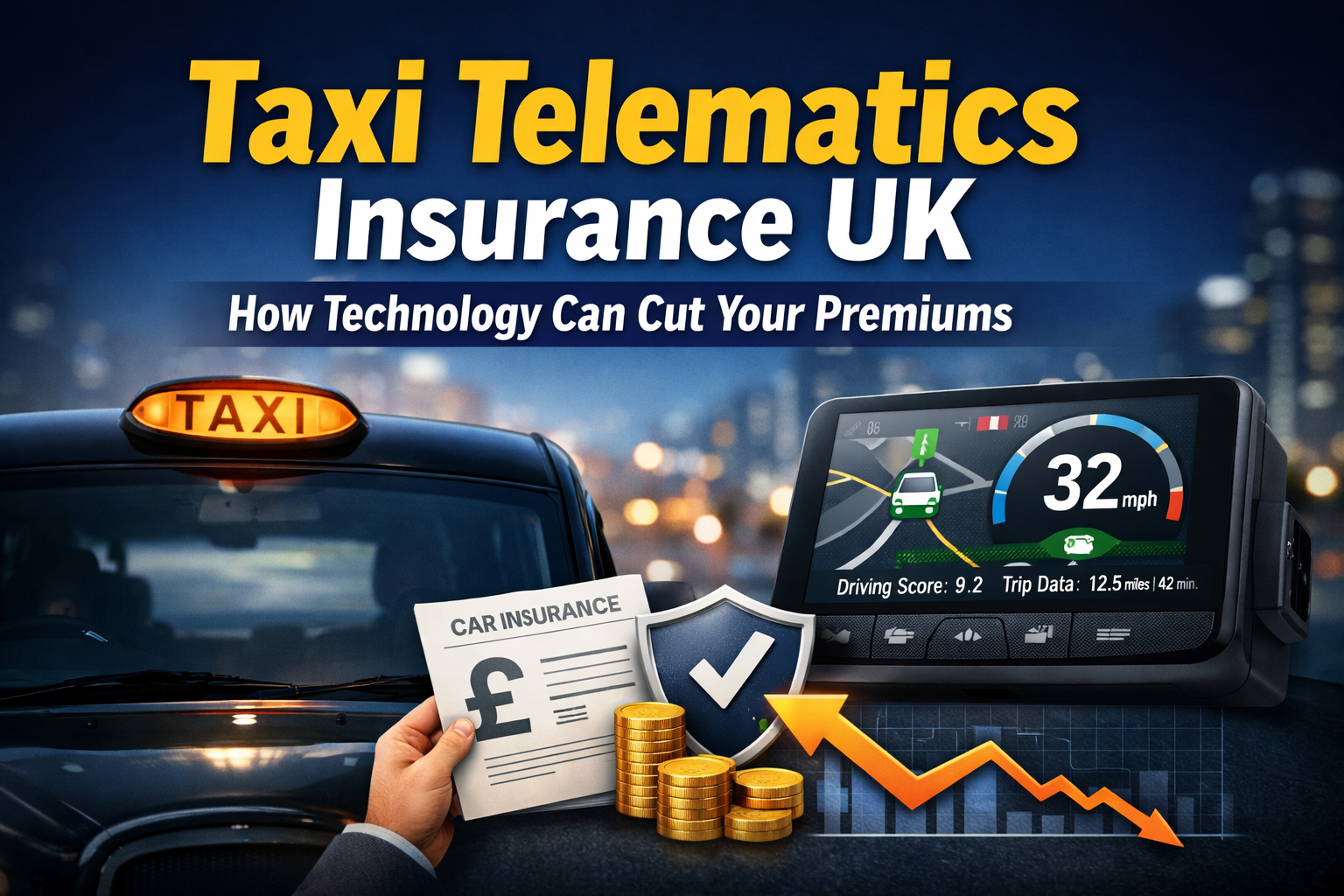
In the competitive world of taxi and private hire driving across the UK, managing operational costs is crucial for profitability. One of the most significant outlays for any professional driver or fleet operator is insurance. As premiums continue to fluctuate, especially with the unique risks associated with commercial driving, many are seeking innovative solutions to keep costs down without compromising cover. This is where taxi telematics insurance is rapidly gaining traction as a game-changer.
Telematics, often dubbed 'black box' insurance, leverages cutting-edge technology to monitor driving behaviour, offering a personalised approach to premium assessment. For taxi drivers in the UK, this isn't just a trend; it's a practical strategy to demonstrate safe driving habits and potentially unlock substantial savings on their insurance policies. This comprehensive guide will explore how telematics works, its multifaceted benefits for both individual drivers and large fleets, what to consider when choosing a provider, and how this technology is reshaping the future of taxi insurance. By understanding and embracing telematics, you can take control of your insurance costs, enhance safety, and streamline your operations in 2026 and beyond.
What is Taxi Telematics Insurance and How Does it Work?
Taxi telematics insurance, at its core, uses a small device – often referred to as a "black box" – installed in your vehicle to record and transmit data about your driving style. This technology moves away from traditional insurance models, which largely base premiums on generalised statistics, towards a more personalised, data-driven assessment of risk. For taxi drivers, whose livelihoods depend on being on the road, this can be a powerful tool for proving their commitment to safe driving.
The Technology Behind Telematics
The telematics device itself is usually a discreet unit, professionally fitted to your taxi or private hire vehicle. It collects various metrics, including:
- Speed: Monitoring adherence to speed limits.
- Acceleration and Braking: Detecting sudden or aggressive driving manoeuvres.
- Cornering: Assessing smooth versus sharp turns.
- Mileage and Time of Day: Understanding usage patterns, particularly during peak hours or late-night driving, which might carry higher risk.
- Location: Useful for accident reconstruction and theft recovery.
This data is then securely transmitted to your insurance provider or a telematics company. They analyse your driving score, which directly influences your insurance premium. Safer drivers, statistically, have fewer accidents, and telematics allows insurers to identify and reward these individuals with lower costs.
Key Benefits for Taxi Drivers
The immediate benefit for individual taxi drivers is the potential for significant premium reductions. By demonstrating consistently safe driving, you can earn discounts that traditional policies simply don't offer. Beyond cost, telematics fosters a greater awareness of driving habits, encouraging continuous improvement and safer roads for everyone. For fleet operators, the advantages extend to comprehensive Taxi Fleet Management and enhanced oversight, ensuring consistency across their entire team of drivers.
Unlocking Real Savings: Telematics for Individual Drivers & Fleets
The promise of telematics insurance is simple: drive well, pay less. But the benefits extend far beyond just cost savings, offering tangible advantages for both self-employed taxi drivers and larger fleet operations across the UK.
For Individual Taxi Drivers
For the independent hackney carriage or private hire driver, every penny saved on overheads directly impacts their take-home pay. Telematics insurance provides a direct pathway to achieving this. By actively monitoring and improving their driving score, drivers can:
- Reduce Premiums: The most obvious advantage. A proven track record of safe driving translates into lower renewal quotes.
- Encourage Safer Habits: Real-time feedback or periodic reports can highlight areas for improvement, making drivers more conscious of their speed, braking, and acceleration. This aligns with advice in the Taxi Driver Safety Handbook 2026: Preventing Accidents & Protecting Yourself.
- Protect No-Claims Bonus: Fewer accidents mean maintaining a valuable no-claims bonus, further reducing long-term costs. In the unfortunate event of a non-fault accident, telematics data can also aid in the claims process, as detailed in our guide on Non-Fault Taxi Accident Claims in Scotland: A Driver's Comprehensive Guide.
- Dispute Fault: In the event of an accident, telematics data can provide invaluable evidence to support your version of events, helping to avoid wrongful blame.
For Taxi Fleet Operators
Managing a fleet of taxis involves a multitude of challenges, from maintenance to driver oversight. Telematics offers a powerful solution to streamline operations and enhance profitability:
- Fleet-wide Cost Reduction: Identify high-risk drivers within the fleet and implement targeted training, leading to overall lower premiums for the entire operation.
- Improved Driver Training & Behaviour: Telematics data can be used as a coaching tool, providing insights into individual driver performance. This helps fleet managers implement effective defensive driving programmes, improving overall safety and reducing incidents.
- Enhanced Accident Management: In the event of a collision, precise data on speed, impact, and location can expedite claims processing and provide crucial information for accident reconstruction, simplifying the process for claims like Taxi Accident Claims Glasgow: Expert Legal Support & Maximum Compensation.
- Theft Recovery: GPS tracking capabilities embedded within telematics devices significantly increase the chances of recovering stolen vehicles, reducing financial losses and insurance payouts.
- Optimised Operations: Monitor vehicle usage, idle time, and routes to improve fuel efficiency and scheduling.
Ultimately, telematics empowers both individual drivers and fleet operators to take a proactive approach to risk management, turning good driving into tangible financial rewards.
Selecting a Telematics Provider and Navigating Data Privacy
Choosing the right telematics insurance provider is a critical step for any taxi driver or fleet operator looking to embrace this technology. It’s not just about finding the cheapest premium; it’s about ensuring the service aligns with your operational needs and respects your data.
What to Look for in a Telematics Provider
When assessing potential telematics insurance providers, consider the following factors:
- Reputation and Experience: Opt for insurers or telematics companies with a proven track record in the commercial vehicle sector. Check reviews and testimonials from other taxi drivers.
- Data Accuracy and Reporting: How precise is the data collected? What kind of reports will you receive? Look for clear, actionable insights into your driving performance. Some providers offer user-friendly apps that give you direct access to your driving score.
- Installation Process: Is the black box self-installed, or does it require professional fitting? Understand any associated costs or downtime.
- Customer Support: Should you have any queries about your data, policy, or the device itself, good customer support is invaluable.
- Flexibility and Policy Terms: Understand how frequently your driving score is assessed and how quickly it can impact your premium. Compare different policies carefully, just as you would when Comparing Taxi Insurance UK 2026: Find the Best Policy for Your Business.
Data Privacy and Security Concerns
The collection of driving data naturally raises questions about privacy. It's essential to understand how your data is used and protected:
- Transparency: A reputable provider will be transparent about what data they collect, why they collect it, and how it is used. This information should be clearly outlined in their privacy policy.
- Data Utilisation: Ensure your data is primarily used for insurance purposes (e.g., calculating premiums, accident claims) and not for marketing or shared with third parties without your explicit consent.
- Security Measures: Providers must employ robust cybersecurity measures to protect your personal and driving data from unauthorised access or breaches.
- Your Rights: Familiarise yourself with your rights under data protection regulations (like GDPR in the UK), including the right to access your data and request corrections.
By thoroughly vetting providers and understanding their data handling practices, you can confidently leverage telematics insurance while safeguarding your privacy.
Beyond Cost Savings: Enhanced Safety and Operational Insights
While lower premiums are a compelling reason to consider taxi telematics insurance, the benefits extend far beyond direct cost reduction. This technology acts as a powerful tool for fostering safer driving and providing invaluable operational insights for taxi professionals.
Improving Driver Behaviour and Safety
The presence of a telematics device often leads to an unconscious, yet significant, improvement in driving behaviour. Knowing that their driving style is being monitored encourages drivers to:
- Adopt Smoother Driving Habits: Less aggressive acceleration, gentler braking, and controlled cornering not only contribute to a better telematics score but also reduce wear and tear on the vehicle and enhance passenger comfort.
- Adhere to Speed Limits More Strictly: Consistent adherence to speed limits is a cornerstone of safe driving and positively impacts telematics scores.
- Reduce Distracted Driving: Some advanced telematics systems can detect patterns indicative of phone use or other distractions, further promoting focus on the road.
This proactive approach to safety can drastically reduce the likelihood of accidents, which is paramount for both driver well-being and maintaining income. Understanding Taxi Driver Rights After an Accident in the UK & Scotland: A Full Overview becomes less urgent when preventative measures are in place.
Vehicle Health Monitoring and Theft Recovery
Modern telematics systems offer more than just driving score analysis. They can provide crucial data related to your vehicle's health and security:
- Preventative Maintenance Alerts: Some devices can monitor engine diagnostics and alert you to potential mechanical issues before they become major problems. This allows for timely repairs, reducing unexpected downtime and costly breakdowns.
- Fuel Efficiency Monitoring: By analysing driving style and routes, telematics can help identify ways to improve fuel consumption, leading to significant savings over time.
- GPS Tracking for Theft: In the unfortunate event of theft, the integrated GPS tracking feature can vastly improve the chances of recovering your vehicle quickly, minimising disruption to your business and potential financial loss.
These additional functionalities transform telematics from merely an insurance tool into a comprehensive vehicle management system, offering peace of mind and operational efficiencies that directly contribute to a taxi driver's success.
Addressing Common Concerns and Maximising Telematics Advantages
While the benefits of telematics insurance for taxi drivers are clear, it's natural for some concerns to arise. Addressing these head-on and understanding how to optimise the system can ensure a positive experience.
Overcoming Initial Resistance
Some drivers may initially be wary of having their driving constantly monitored. Common concerns include:
- Privacy: The feeling of being watched. It's crucial to reiterate that reputable providers focus on driving data relevant to risk assessment, not personal surveillance, and adhere to strict data protection laws.
- Perceived Micro-management: For fleet drivers, telematics shouldn't feel like a punitive tool. When introduced with clear communication about its safety and cost-saving benefits, and perhaps even performance incentives, it can be seen as a positive initiative.
- Fear of Unfair Penalties: Drivers might worry that an occasional lapse could disproportionately affect their score. Most systems consider overall patterns, and initial 'poor' scores are opportunities for improvement, not instant penalties.
Open dialogue, clear privacy policies, and focusing on the positive outcomes—like accident reduction and cost savings—can help alleviate these concerns.
Tips for Optimal Performance
To truly reap the rewards of taxi telematics insurance, active engagement is key:
- Understand Your Score: Regularly review your driving reports and scores. Identify areas where you can improve, whether it's smoother braking or better speed management. Many systems offer personalised tips.
- Drive Consistently: The system rewards consistent safe driving. Make a conscious effort to drive defensively on every journey, not just when you remember you're being monitored. This commitment to safer driving is also covered in our article on Defensive Driving for Glasgow Taxi Drivers: Master Scottish Roads Safely.
- Maintain Your Vehicle: A well-maintained vehicle contributes to safer driving. Ensure regular services, tyre checks, and brake inspections.
- Communicate with Your Provider: If you have questions about your data or score, don't hesitate to contact your telematics provider or insurer. They can often offer insights and support.
By taking an active role in managing your telematics performance, you not only improve your driving safety but also maximise your chances of securing the lowest possible insurance premiums, directly boosting your livelihood.
FAQs: Taxi Telematics Insurance UK
Q1: Will telematics track my location 24/7, even when I'm not working?
A: This depends on the specific policy and provider. For commercial taxi insurance, the device is usually active whenever the vehicle is in use. It's crucial to check your policy's terms regarding data collection outside of working hours, and for private use if the vehicle is also used personally. Reputable providers will outline their data usage clearly.
Q2: Can telematics increase my insurance premiums?
A: Yes, if your driving behaviour is consistently deemed high-risk (e.g., frequent speeding, harsh braking, late-night driving in high-risk areas), your premiums could increase upon renewal. Telematics is designed to reward safe driving, but it also penalises unsafe habits. The goal is to encourage improvement.
Q3: What happens if the black box malfunctions?
A: Most telematics providers offer technical support. If your device malfunctions, contact your insurer or the telematics company immediately. They will guide you through troubleshooting or arrange for a repair/replacement to ensure your data continues to be recorded correctly.
Q4: Is telematics insurance suitable for all taxi drivers?
A: Telematics insurance is generally most beneficial for drivers who consider themselves safe and wish to prove it to get lower premiums. It's particularly useful for newer drivers who haven't built up a no-claims bonus or those with a history of higher premiums. Fleet operators also benefit from comprehensive oversight.
Q5: Will a telematics device affect my vehicle's warranty or performance?
A: No, telematics devices are small, passive data recorders that do not interfere with your vehicle's engine, electronics, or warranty. Professional installation ensures it is integrated without impacting vehicle performance.
Drive Smarter, Pay Less: The Future of Taxi Insurance
The landscape of taxi insurance in the UK is continually evolving, and telematics insurance stands at the forefront of this change. For hackney carriage and private hire drivers, as well as fleet operators, embracing this technology offers a unique opportunity to not only drive down costs but also to enhance overall safety and operational efficiency. By providing a data-driven, personalised assessment of risk, telematics rewards good driving, encourages safer habits, and offers invaluable insights that extend far beyond simply calculating a premium.
In 2026, as the industry becomes more competitive, leveraging technology like telematics isn't just an advantage—it's a smart business decision. If you're a taxi driver in Scotland or elsewhere in the UK looking to make your insurance work harder for you, explore the options available. The peace of mind that comes from knowing you're protected, coupled with the financial benefits of reduced premiums, makes telematics an investment in your future.
Ready to explore how telematics can benefit your taxi business? Contact our expert team today to discuss your options and find tailored solutions.
Call Us Today: 0333 577 7736 or Visit Our Homepage for More Information