Understanding Taxi Insurance: Your Complete Glasgow Cover Guide
!Understanding Taxi Insurance Policies & Accident Cover in Glasgow
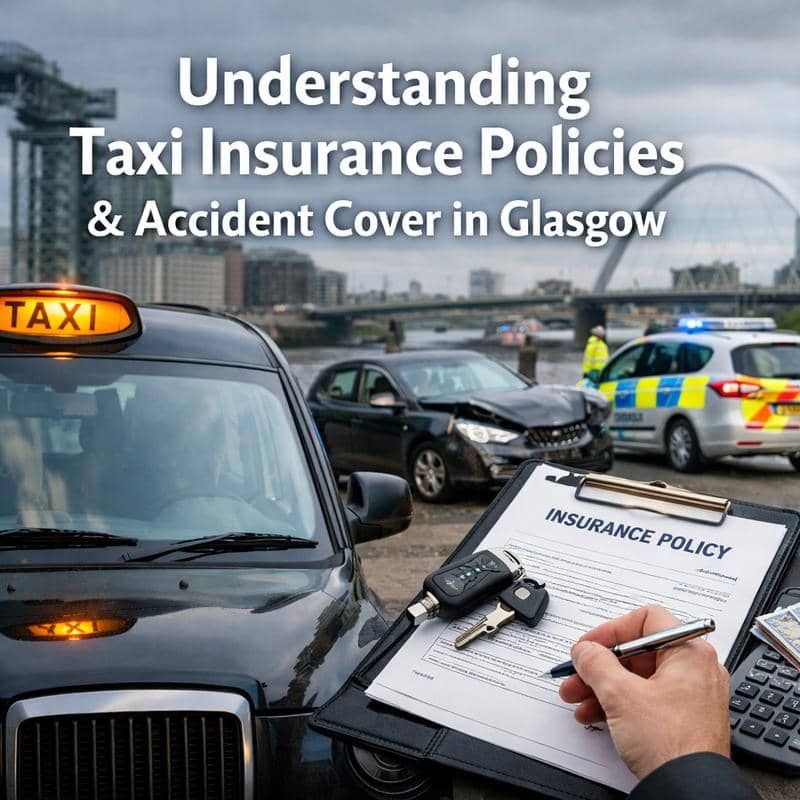
As a taxi or private hire driver in Glasgow, your vehicle isn't just a means of transport; it's your livelihood. An unexpected accident, even a minor one, can instantly jeopardise your income and leave you facing significant costs. This is where a robust taxi insurance policy becomes your most vital protection. Navigating the complexities of taxi insurance, particularly for taxi accident cover and specific liabilities in Glasgow, can feel overwhelming. Many drivers only discover gaps in their coverage when it's too late.
This comprehensive guide is designed to empower you with a clear understanding of your taxi insurance. We’ll break down the essential components, explain critical coverages like public liability taxi insurance, and reveal what your policy truly covers—and perhaps more importantly, what it doesn't—after an incident. Whether you're a seasoned hackney driver, a private hire operator, or an executive chauffeur in Greater Glasgow, mastering your insurance knowledge is non-negotiable. Our goal is to help you review and optimise your taxi insurance, ensuring you're fully protected and can get back on the road swiftly should the unthinkable happen.
Key Components of a Comprehensive Taxi Insurance Policy
A standard car insurance policy simply won't cut it for professional taxi drivers. Taxi insurance is a specialised product tailored to the unique risks associated with carrying fare-paying passengers and operating a commercial vehicle for extended periods. Understanding these core components is the first step in ensuring adequate taxi accident cover.
Private Hire vs. Hackney Carriage Coverages
The type of taxi licence you hold directly impacts the insurance you require. Private hire vehicles typically need 'Private Hire Insurance,' which covers carrying pre-booked passengers for a fee. Hackney carriages (black cabs) require 'Hackney Carriage Insurance,' designed for vehicles that can be hailed directly from the street or rank. While both coverages protect against similar risks, the nuances in their definitions and policy wordings are crucial. Always ensure your policy explicitly matches your licence type to avoid invalidating your cover.
Standard Coverage Levels: Third Party, Third Party Fire & Theft, and Comprehensive
Like standard vehicle insurance, taxi policies come in different tiers:
* Third Party Only (TPO): The most basic legal requirement. This covers damage or injury caused to other people or their property (the "third party") but offers no protection for your own vehicle or personal injuries.
* Third Party Fire & Theft (TPFT): Adds cover for your vehicle if it's stolen or damaged by fire, in addition to TPO benefits.
* Comprehensive: The highest level of cover. This includes TPO and TPFT, plus cover for damage to your own vehicle, regardless of fault, and often includes personal accident cover for the driver. For professional drivers, comprehensive cover is almost always the recommended choice due to the high costs associated with vehicle repairs and downtime.
Essential Add-ons and Optional Extras
Beyond the basic tiers, a robust taxi insurance policy should include several critical add-ons to safeguard your income and business operations:
* Breakdown Cover: Essential for minimising downtime and ensuring your vehicle can be recovered.
* Legal Expenses Cover: Can fund legal costs to recover uninsured losses (e.g., loss of earnings, policy excess) if you're involved in a non-fault accident.
* Personal Accident Cover: Provides a payout if you, the driver, suffer serious injury or death as a result of an accident.
* Protected No Claims Discount: Safeguards your discount even if you make a claim.
* Public Liability Insurance (often integrated): While we'll delve deeper into this, ensure your policy explicitly includes adequate public liability for your business.
Public Liability, Passenger Cover & Vehicle Damage
For taxi drivers, specific types of insurance coverage are not just beneficial, they're legally mandated and absolutely critical for protecting against the unique risks of the job. These include public liability, passenger cover, and comprehensive vehicle damage protection. A solid understanding taxi insurance means knowing exactly what these coverages entail.
The Importance of Public Liability Taxi Insurance
Public liability taxi insurance is arguably one of the most crucial elements of your policy. It protects you against claims made by members of the public (excluding your passengers, who are covered separately) for injury or property damage caused by your taxi operation. For example, if a pedestrian trips over your taxi door while you're parked at a rank, or if you accidentally damage a shop front while manoeuvring, public liability insurance would cover the legal costs and compensation awarded. Without this, a single incident could lead to financial ruin, as you would be personally responsible for substantial legal fees and damages.
Passenger Liability and Personal Accident Cover
Passenger liability is distinct from general public liability. It's a mandatory component of any taxi insurance policy and specifically covers injuries to your passengers. If a passenger is hurt while getting into, riding in, or getting out of your taxi, this aspect of your insurance will cover their medical expenses and any compensation they are due.
Beyond passenger liability, consider personal accident cover for yourself. While passenger cover protects those you transport, personal accident cover safeguards you, the driver. This optional but highly recommended add-on provides a lump sum payment if you suffer serious injury, disability, or death as a direct result of a road accident while driving your taxi. Given the daily risks on Glasgow's roads, this can provide vital financial security for you and your family.
Vehicle Damage: Own Damage & Third-Party Damage
When it comes to your vehicle, taxi accident cover generally splits into two categories:
* Own Damage: This is covered by a comprehensive policy. If your taxi is damaged in an accident, regardless of who is at fault, or through fire, theft, or vandalism, your insurer will cover the repair costs or market value if it's written off. This ensures you can get your vehicle repaired and back on the road quickly, minimising lost earnings.
* Third-Party Damage: Covered by all tiers of insurance (TPO, TPFT, Comprehensive). This protects you financially if you're found at fault for an accident and cause damage to another vehicle or property. Your insurer will handle the costs of repairing the third party's vehicle or property, saving you from significant out-ofpocket expenses.
What Your Policy Covers (and Doesn't Cover) After an Accident
Even with a seemingly comprehensive taxi insurance policy, it's vital to understand the specifics of what is covered and, crucially, what isn't, especially after an accident. Misconceptions can lead to costly surprises when you need support the most. When an incident occurs, swift and effective Expert Taxi Claims Management for Glasgow Drivers can make all the difference.
Covered Scenarios: From Non-Fault to At-Fault Incidents
Your taxi accident cover is designed to kick in for a range of scenarios:
* Non-Fault Accidents: If another driver causes an accident with your taxi, your policy typically covers your vehicle's repairs, a replacement vehicle, and any lost earnings. Crucially, the costs are recovered from the at-fault party's insurer. Services like Taxi Claims specialise in managing these situations to ensure you receive what you're entitled to without upfront costs. For more detailed insights, see our guide on Non-Fault Taxi Accident Claims Glasgow: Get What You Deserve.
* At-Fault Accidents: If you are deemed responsible for an accident, a comprehensive policy will cover the damage to your own vehicle and any third-party damage or injuries. Your no-claims discount may be affected unless you have it protected.
* Fire, Theft, and Vandalism: Most comprehensive (and TPFT) policies cover your taxi if it's stolen, damaged by fire, or vandalised, offering repair or replacement depending on the extent of the damage.
Common Exclusions and Policy Limitations
While your policy aims to protect, there are standard exclusions and limitations you must be aware of:
* Uninsured Losses: Your policy won't cover your policy excess, loss of earnings, or personal injury claims for yourself in an at-fault accident, unless you have specific add-ons like legal expenses or personal accident cover.
* Policy Breaches: Any breach of your policy terms—such as failing to disclose changes in vehicle usage, modifications, or driving convictions—can lead to your claim being rejected and your policy invalidated.
* Unlicensed Driving: Driving without the appropriate taxi licence for your vehicle type or area will automatically void your insurance.
* Wear and Tear: Routine maintenance issues, mechanical breakdowns not caused by an accident, or general wear and tear are not covered by accident insurance.
* Driving Under the Influence: Being under the influence of alcohol or drugs will invalidate your insurance coverage.
Understanding Your Excess and No-Claims Bonus
Your policy excess is the amount you agree to pay towards a claim before your insurer contributes. There's often a compulsory excess and sometimes an optional voluntary excess. A higher voluntary excess usually means a lower premium, but ensure it's an amount you can comfortably afford after an incident. Your no-claims bonus (NCB) is a discount on your premium for not making claims. An at-fault claim typically reduces your NCB, unless you've purchased a protected NCB add-on. Be aware that even a non-fault claim, if handled incorrectly, can sometimes impact your NCB if the third-party insurer is slow to reimburse your provider.
How to Review and Optimise Your Taxi Insurance in Glasgow
Proactively reviewing and optimising your taxi insurance policy is crucial for both financial savings and ensuring robust taxi accident cover. Don't wait for an incident to discover shortcomings. Regularly assessing your needs and policy details can provide peace of mind and better protection.
Annual Policy Review: What to Check
Each year, before renewal, conduct a thorough review of your policy:
* Vehicle Details: Confirm your vehicle's make, model, registration, and value are accurate. Any modifications should be declared.
* Driver Details: Ensure all named drivers are correct and their driving history (points, claims) is up-to-date.
* Usage: Verify that the policy accurately reflects your business use (e.g., private hire vs. hackney carriage, operating hours).
* Mileage: Update your estimated annual mileage if it has changed significantly.
* Coverage Levels: Re-evaluate if your current TPO, TPFT, or Comprehensive level still meets your needs and financial comfort.
* Add-ons: Check if your add-ons (legal expenses, breakdown, personal accident, protected NCB) are still relevant and offer sufficient cover. For example, if you rely on immediate vehicle replacement, ensure your policy or a specialized service can provide a Replacement Taxi Vehicle Glasgow: Stay On The Road After An Accident.
* Excess: Reconsider if your excess amount is still manageable in case of a claim.
Reducing Premiums Without Compromising Cover
It's possible to lower your insurance costs without sacrificing essential protection:
* Increase Your Voluntary Excess: If you can afford a higher excess, your premium will likely decrease.
* Improve Vehicle Security: Installing approved immobilisers, alarms, or tracking devices can lead to discounts.
* Maintain a Clean Driving Record: Fewer points and claims result in lower premiums over time.
* Pay Annually: Paying your premium in one lump sum is often cheaper than monthly instalments.
* Shop Around: Always compare quotes from multiple specialist taxi insurance providers. Don't just renew automatically.
* Review Add-ons: Ensure you're not paying for add-ons you no longer need or that duplicate other coverages you might have.
The Role of Accident Management Services in Maximising Your Cover
Even the best insurance policy has its limitations. This is where specialist accident management services like Taxi Claims become invaluable, particularly for non-fault incidents. When you're involved in a non-fault accident in Glasgow, these services can:
* Provide Like-for-Like Replacement Vehicles: Crucial for maintaining your income, often within 24 hours.
* Manage Repairs: Coordinate with approved bodyshops to ensure quality and speed.
* Recover Lost Income: Claim for your lost earnings directly from the at-fault party's insurer. This is a significant benefit, as your standard taxi insurance policy rarely covers this upfront. Learn more about Lost Earnings After a Taxi Accident in Glasgow: Claiming Compensation.
* Handle Insurance Liaison: Navigate the complex claims process on your behalf, reducing your stress and administrative burden.
* No Upfront Cost: Services are typically recovered from the at-fault party's insurer, meaning zero cost to you.
These services effectively extend the practical benefits of your taxi accident cover, ensuring you remain on the road and your business doesn't suffer unduly after an incident. For a comprehensive overview, explore our guide on Glasgow Taxi Accident Claims: Your Complete Guide & Support.
Frequently Asked Questions About Taxi Insurance in Glasgow
Q: Is public liability insurance included in my standard taxi insurance policy?
A: While many comprehensive taxi insurance policies integrate public liability, it's crucial to verify the specific terms and limits with your insurer. Some basic policies might offer limited cover, so always confirm it explicitly meets your needs for operating a taxi in Glasgow.
Q: What happens if I have an accident and my taxi needs extensive repairs?
A: If you have a comprehensive policy, your insurer will cover the repair costs, minus your excess. For non-fault accidents, a specialist accident management service can arrange repairs and provide a like-for-like replacement vehicle, ensuring you stay earning while your taxi is off the road, with costs recovered from the at-fault party.
Q: Can I claim for lost earnings if my taxi is off the road after an accident?
A: Your standard taxi insurance policy typically does not directly cover lost earnings upfront. However, if you are involved in a non-fault accident, an accident management service can help you claim for your lost income from the at-fault driver's insurance company as part of your overall compensation.
Q: Do I need different insurance for private hire vs. hackney carriage in Glasgow?
A: Yes, absolutely. Private hire vehicles and hackney carriages require distinct insurance policies tailored to their specific licensing and operational models. Ensure your policy precisely matches your licence type to avoid invalidating your cover and risking fines or legal issues.
Conclusion: Protecting Your Livelihood on Glasgow's Roads
Understanding taxi insurance is more than just a bureaucratic checkbox; it's a fundamental aspect of protecting your business, your income, and your peace of mind as a taxi or private hire driver in Glasgow. A robust taxi insurance policy is your shield against the unpredictable nature of the road, safeguarding you against vehicle damage, passenger injuries, and public liability taxi insurance claims. By thoroughly understanding your coverage—what it includes, its limitations, and how to optimise it—you empower yourself to navigate potential challenges confidently.
Don't leave your livelihood to chance. Regular review, attention to detail, and knowing when to leverage expert support can make all the difference. In the event of a non-fault accident, remember that specialised accident management services can bridge the gaps your insurance might leave, providing critical support like replacement vehicles and lost income recovery, often at zero cost to you.
If you're a Glasgow taxi or private hire driver involved in a non-fault accident and need immediate assistance, don't hesitate. Contact our 24/7 helpline at 0333 577 7736 or visit our homepage. We're here to help you get back on the road swiftly and without financial burden.