PTSD & Anxiety Claims After Taxi Accidents Scotland: Mental Health Support
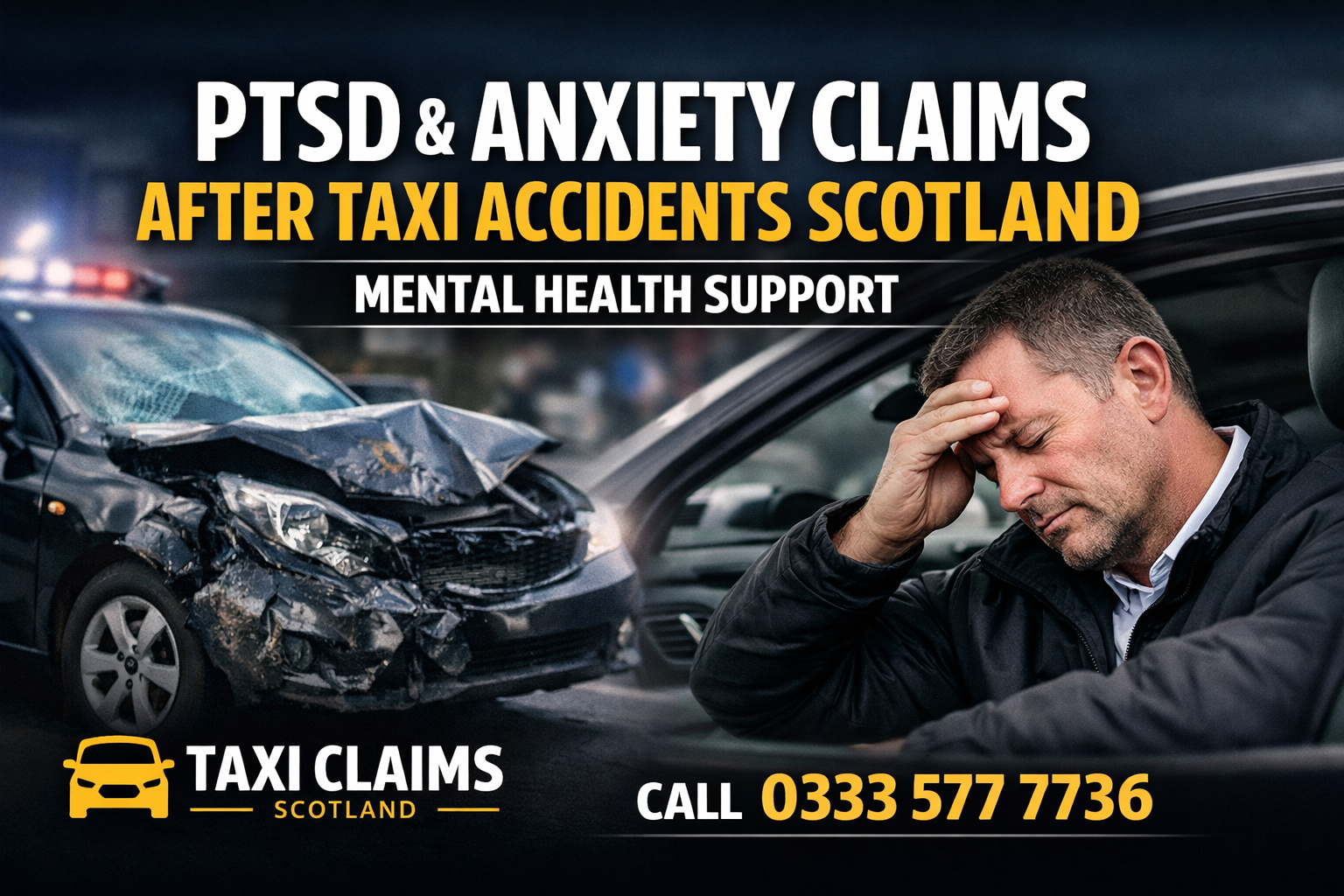
Being involved in a taxi accident can be a profoundly distressing experience, leaving not just physical scars but also deep-seated psychological trauma. In Scotland, whether you're a taxi driver, private hire driver, Uber driver, or a passenger, the mental aftermath of such an incident is often overlooked, yet it can be just as debilitating as any physical injury. Psychological injuries like Post-Traumatic Stress Disorder (PTSD) and anxiety after a road accident claim are real, valid, and deserving of comprehensive support and compensation.
At Taxi Claims, we understand the unique challenges faced by individuals affected by taxi accidents in Glasgow and across Scotland. Our specialist team is dedicated to providing expert legal guidance and compassionate support for those suffering from mental health issues following a collision. You shouldn't have to face this alone. This comprehensive guide will walk you through recognising psychological trauma, understanding diagnosis and treatment, and, crucially, how to claim the compensation you deserve for your emotional distress after a taxi accident in Scotland.
Our no-win-no-fee service ensures that you can pursue justice without financial burden, allowing you to focus entirely on your recovery. We are here to help protect your livelihood and well-being, ensuring you receive the maximum compensation for all aspects of your suffering.
Recognising Psychological Trauma Post-Taxi Accident
The shock of a taxi accident can trigger a range of emotional and psychological responses, some of which may not surface immediately. It's crucial to understand that these reactions are not a sign of weakness but a natural response to a traumatic event. Recognising the signs of psychological injury, such as PTSD and anxiety, is the first step towards seeking the right help and making a successful mental health claim after a taxi crash.
Drivers, in particular, often bear the additional burden of responsibility for their passengers' safety and their own livelihood, which can intensify psychological stress. Passengers, on the other hand, may feel a profound sense of helplessness and violation. Both groups can experience significant emotional distress that impacts their daily lives, work, and relationships. Don't dismiss these feelings; they are legitimate indicators of a potential psychological injury requiring professional attention.
Common Symptoms of PTSD in Taxi Accident Victims
Post-Traumatic Stress Disorder (PTSD) is a severe mental health condition that can develop after experiencing or witnessing a terrifying event. For taxi accident victims, symptoms can be persistent and intrusive, significantly impacting their ability to function.
Common signs of PTSD include:
- Flashbacks and Nightmares: Reliving the accident vividly, often accompanied by intense physical reactions like sweating or a racing heart.
- Avoidance: Steering clear of places, people, or activities that remind you of the accident (e.g., avoiding driving, specific routes, or even being a passenger).
- Negative Changes in Thoughts and Mood: Feelings of detachment, difficulty experiencing positive emotions, persistent negative thoughts about oneself or the world, or memory problems related to the event.
- Arousal and Reactivity: Being easily startled, having difficulty sleeping, feeling irritable, or experiencing angry outbursts.
- Emotional Numbness: A sense of detachment from loved ones or an inability to feel emotions.
How Anxiety Manifests After a Traumatic Incident
Anxiety is another prevalent psychological injury following a taxi accident. While distinct from PTSD, it often co-occurs and can be equally debilitating. Generalized anxiety, panic attacks, and phobias related to driving or travel are common.
Symptoms of anxiety after a road accident claim might include:
- Excessive Worry: Constant worry about future accidents, safety, or well-being.
- Panic Attacks: Sudden, intense episodes of fear that trigger severe physical reactions when there is no real danger, such as heart palpitations, shortness of breath, dizziness, or chest pain.
- Specific Phobias: Developing a fear of specific situations related to the accident, such as driving at night, in heavy traffic, or even being in a vehicle.
- Restlessness and Irritability: Feeling on edge, having difficulty concentrating, and increased irritability.
- Physical Symptoms: Headaches, muscle tension, stomach problems, or fatigue.
Understanding these symptoms is the critical first step towards getting the help you need. If you recognise any of these in yourself or a loved one after a taxi accident, it's vital to seek professional medical and legal advice immediately.
Diagnosis and Treatment for PTSD & Anxiety
Following a taxi accident, receiving a formal diagnosis for PTSD or anxiety is paramount, not just for your recovery but also for the success of your compensation claim. These conditions are complex, and their treatment requires specialised care. A professional diagnosis from a qualified mental health expert provides a clear pathway to appropriate therapy and medical interventions. It also serves as crucial evidence in demonstrating the direct link between the accident and your psychological suffering.
Ignoring these symptoms can lead to worsening mental health, impacting your ability to work, maintain relationships, and enjoy life. Prompt and effective treatment can significantly improve your prognosis and quality of life. Our team can help you access trusted professionals who understand accident-related trauma.
The Importance of Professional Diagnosis
A proper diagnosis is the cornerstone of both effective treatment and a successful legal claim for psychological injury. A GP is often the first point of contact, who can then refer you to specialists like psychiatrists or clinical psychologists. These professionals use established diagnostic criteria (such as those found in the DSM-5 or ICD-10) to assess your symptoms and determine if you meet the threshold for PTSD, anxiety disorder, or other mental health conditions.
Key aspects of a professional diagnosis include:
- Detailed Assessment: An in-depth evaluation of your symptoms, their onset, severity, and impact on your daily life.
- Exclusion of Other Conditions: Ensuring your symptoms are directly related to the accident and not another pre-existing or unrelated condition.
- Expert Report: A written report from a mental health professional detailing the diagnosis, prognosis, and recommended treatment plan, which is vital for your claim. This report forms a key part of any Personal Injury Claims After Taxi Accidents Scotland (2026 Guide).
Effective Treatment Pathways for Mental Trauma
Once diagnosed, a tailored treatment plan can be put in place. The goal is to alleviate symptoms, help you process the trauma, and restore your mental well-being. Treatment options often include a combination of therapies and, in some cases, medication.
Common and effective treatment pathways include:
- Cognitive Behavioural Therapy (CBT): A talking therapy that helps you identify and challenge unhelpful thoughts and behaviours, and develop coping mechanisms. Trauma-focused CBT is particularly effective for PTSD.
- Eye Movement Desensitisation and Reprocessing (EMDR): A specialised therapy designed to help process traumatic memories and reduce their emotional impact.
- Medication: Antidepressants or anti-anxiety medications may be prescribed to manage severe symptoms and facilitate engagement with therapy.
- Support Groups: Connecting with others who have experienced similar trauma can provide valuable emotional support and reduce feelings of isolation.
Engaging with treatment is not only beneficial for your health but also strengthens your psychological injury PTSD taxi accident claim. It demonstrates your commitment to recovery and the tangible impact the accident has had on your mental state. We can guide you through finding the right specialists to support your journey.
Claiming Compensation for Mental Health Injuries in Scotland
Claiming compensation for mental health injuries like PTSD and anxiety after a taxi accident in Scotland can seem daunting, but it's a crucial step towards your recovery and securing your future. The Scottish legal system recognises psychological suffering as a legitimate basis for a personal injury claim, allowing you to seek damages for the pain and suffering you've endured, as well as any financial losses incurred. Our no-win-no-fee service means you can focus on healing without upfront financial worry.
The process involves gathering compelling evidence, proving the link between the accident and your psychological condition, and calculating the full extent of your losses. Whether you were a driver losing income or a passenger experiencing life-altering anxiety, your right to compensation is vital. For a more general overview, you can refer to our Comprehensive Guide to Taxi Accident Compensation in Scotland: What You're Owed.
Proving Psychological Injury in a Claim
Successfully claiming for a psychological injury hinges on robust evidence that clearly links the taxi accident to your PTSD or anxiety. This is where expert medical and legal support becomes indispensable.
Key evidence typically includes:
- Medical Records: Comprehensive records from your GP, psychiatrists, and psychologists detailing your diagnosis, symptoms, treatment, and prognosis.
- Expert Medical Reports: Independent reports from mental health professionals commissioned by your legal team, providing an expert opinion on the causation and severity of your condition.
- Witness Statements: Testimonies from friends, family, or colleagues who can attest to changes in your behaviour, mood, and daily functioning since the accident.
- Personal Statements: Your own detailed account of how the accident has impacted your mental health and quality of life.
- Accident Reports: Police reports, incident logs, and dash cam footage (if available) that establish the circumstances of the accident and its traumatic nature. (See also: What to Do After a Taxi Accident in Scotland: Essential Steps for initial evidence gathering.)
What Compensation Can You Claim For?
Compensation for psychological injuries aims to cover various aspects of your suffering and financial losses. This ensures you are fully supported through your recovery.
You may be able to claim for:
- Pain and Suffering (Solatium): This is compensation for the actual psychological injury itself, including the distress, anxiety, fear, and loss of enjoyment of life caused by your PTSD or anxiety. The value of this element depends on the severity and duration of your symptoms.
- Loss of Earnings: If your psychological injury has prevented you from working, or reduced your capacity to earn, you can claim for past and future lost income. This is particularly relevant for Taxi Driver Personal Injury Claims Scotland: Protecting Your Livelihood, where the ability to drive is directly tied to income.
- Medical Expenses: Costs for therapy, medication, psychiatric consultations, and any other mental health treatments.
- Travel Expenses: Costs incurred for attending medical appointments related to your psychological injury.
- Care and Assistance: If you require help with daily tasks due to your mental health condition, even if provided by family members, you can claim for the value of this care.
- Impact on Daily Life: Compensation for any hobbies or social activities you can no longer enjoy due to your psychological trauma.
Navigating these claims requires expert knowledge of Scottish personal injury law. Our team ensures that every element of your suffering is accounted for, striving for the maximum possible compensation. If the accident was not your fault, you should be able to recover full compensation without impacting your own insurance or livelihood. Learn more about your rights through our guide to Non-Fault Taxi Accident Injury Claims Scotland: Full Compensation Guide.
Seeking Expert Legal & Therapeutic Support
When dealing with the complex aftermath of a taxi accident, particularly when psychological injuries are involved, attempting to navigate the legal and therapeutic landscapes alone can be overwhelming. Accessing expert legal representation and integrated therapeutic care is not just advisable; it's often essential for securing both your well-being and your rightful compensation. Our dedicated team at Taxi Claims provides a seamless, stress-free path to both.
We work closely with a network of trusted mental health professionals across Scotland, ensuring you receive the specialised care required for conditions like PTSD and anxiety. Simultaneously, our expert solicitors manage every aspect of your claim, fighting to protect your interests and secure maximum compensation on a no-win-no-fee basis.
The Role of a Specialist Personal Injury Solicitor
A specialist personal injury solicitor is your advocate, guiding you through the intricate legal process of claiming compensation for psychological injuries. Their expertise is invaluable in building a strong case and negotiating with insurance companies.
A solicitor will:
- Provide Expert Legal Advice: Explain your rights, the claims process in Scotland, and the likelihood of success.
- Gather Evidence: Collect all necessary medical records, expert reports, witness statements, and financial documentation.
- Appoint Medical Experts: Arrange for independent medical assessments with qualified psychiatrists or psychologists to establish the extent of your psychological injury.
- Liaise with Third Parties: Handle all communications with the at-fault party's insurers, medical professionals, and other relevant organisations.
- Negotiate Settlements: Skillfully negotiate to achieve the best possible compensation settlement, or represent you in court if necessary.
- Protect Your Interests: Ensure that all aspects of your claim, including future losses and ongoing treatment needs, are fully accounted for.
Without specialist legal support, you risk underestimating the value of your claim or having it unfairly dismissed by insurance companies.
Accessing Integrated Therapeutic Care
While legal action addresses the financial implications, integrated therapeutic care focuses on your mental and emotional recovery. The best approach often involves a coordinated effort between your legal team and healthcare providers.
Integrated therapeutic care can involve:
- Referrals to Specialists: Your legal team can help connect you with reputable trauma-focused therapists, counsellors, and psychiatrists who understand the specific impact of road accidents.
- Tailored Treatment Plans: Working with mental health professionals to develop a personalised plan that may include CBT, EMDR, medication management, or other evidence-based therapies.
- Support for Recovery: Ensuring access to resources that support your overall well-being, including stress management techniques, support groups, and rehabilitation services.
- Documentation for Claims: Therapeutic progress notes and reports become crucial evidence, demonstrating the ongoing impact of your psychological injuries and the necessity of treatment.
At Taxi Claims, we believe in a holistic approach to recovery. We don't just secure compensation; we help you access the comprehensive care needed to heal from the psychological trauma of a taxi accident. Our goal is to ensure you feel supported every step of the way, allowing you to focus on rebuilding your life.
FAQs: PTSD & Anxiety Claims After Taxi Accidents Scotland
Can I claim for anxiety even if I don't have PTSD?
Yes, absolutely. Anxiety disorders, such as generalised anxiety disorder, panic disorder, or specific phobias (like driving phobia), are recognised psychological injuries that you can claim compensation for in Scotland. The key is a professional diagnosis and evidence linking it to the taxi accident.
How long do I have to make a claim for psychological injury in Scotland?
Generally, you have three years from the date of the accident or the "date of knowledge" (when you became aware of the injury, which can sometimes apply to psychological conditions if symptoms emerged later) to start a personal injury claim in Scotland. However, it's always best to seek legal advice as soon as possible, as delays can make gathering evidence more difficult.
What if my psychological symptoms only appeared weeks or months after the accident?
It's common for psychological symptoms like PTSD or severe anxiety to manifest weeks or even months after a traumatic event. This delayed onset does not invalidate your claim. What's crucial is to seek professional medical attention as soon as symptoms appear and to inform your solicitor immediately. They will work with medical experts to establish the link to the original taxi accident.
Will claiming for psychological injury be difficult or stigmatising?
Claiming for psychological injury is no more difficult or stigmatising than claiming for a physical injury. Mental health conditions are recognised medical issues, and the legal system in Scotland treats them with the same seriousness. Our solicitors handle these cases with sensitivity and discretion, focusing on securing the support and compensation you need to recover.
Don't Suffer in Silence: Secure Your Mental Health Support
A taxi accident can turn your life upside down, leaving you with not just physical injuries but also invisible wounds that manifest as PTSD, anxiety, and deep emotional distress. In Scotland, both taxi drivers and passengers have a right to comprehensive support and compensation for these psychological injuries. Ignoring these symptoms can have long-lasting effects on your well-being, livelihood, and quality of life.
At Taxi Claims, we stand ready to be your expert legal partner in Glasgow and across Scotland. We understand the profound impact an accident can have on your mental health and are committed to helping you navigate the complex process of claiming compensation. Our free, no-win-no-fee service means you can access the highest calibre of legal and therapeutic support without financial risk. We will fight tirelessly to ensure you receive the maximum compensation for your pain, suffering, lost earnings, and the cost of your treatment.
Don't let fear or uncertainty prevent you from seeking justice and the mental health support you deserve. Contact Taxi Claims today on 0333 577 7736 for a free, no-obligation consultation. Let us help you heal and rebuild your life after a taxi accident.