Taxi Driver Rehabilitation Scotland: Returning to Work After Injury
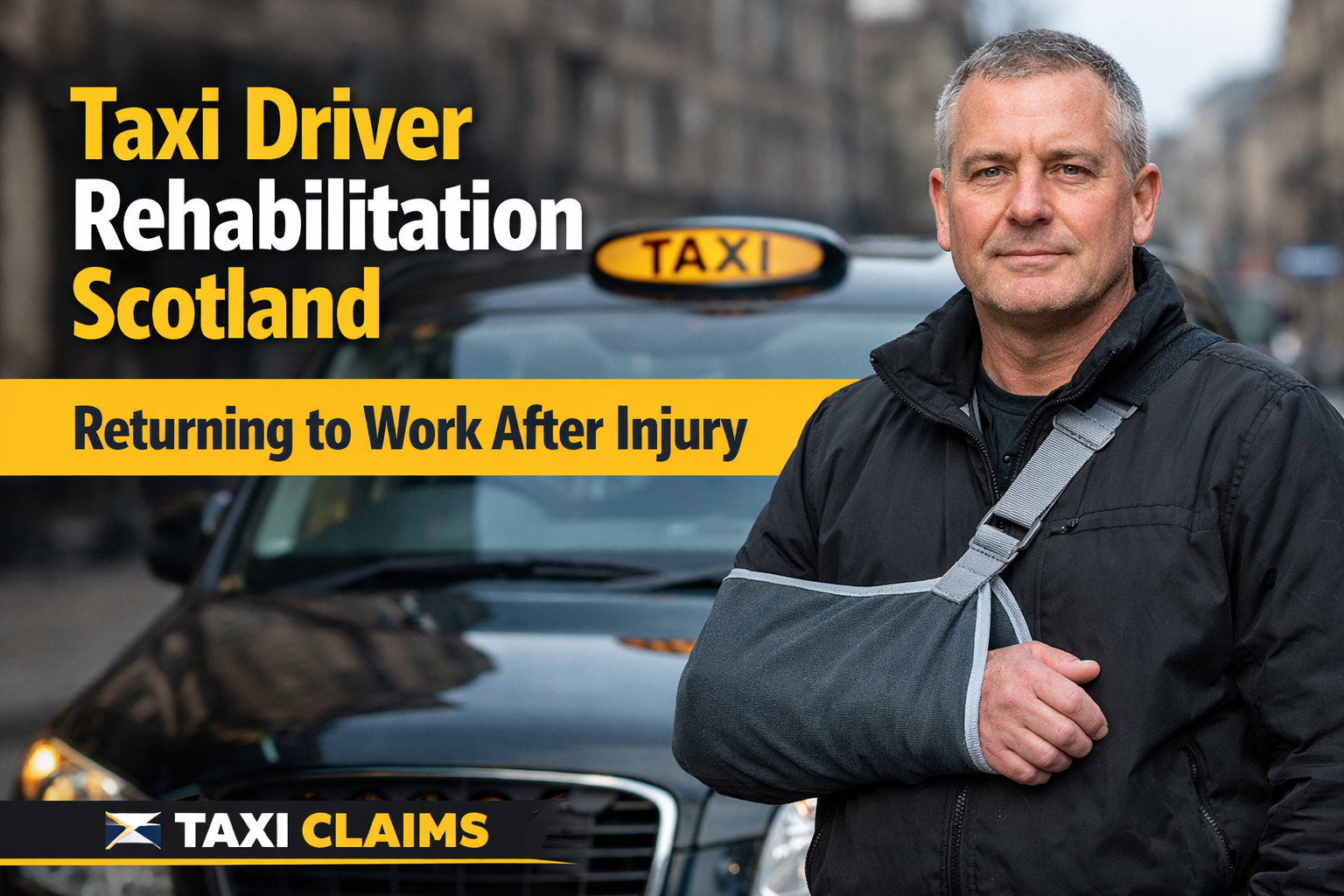
For taxi drivers in Scotland, an injury isn't just a personal setback; it's a direct threat to your livelihood. Whether you're a hackney carriage driver in Glasgow, a private hire operator in Edinburgh, or an Uber driver across the country, your vehicle is your office, and your ability to drive safely and comfortably is paramount. An accident or injury can leave you unable to work, facing medical bills, and struggling with lost income. That's where taxi driver rehabilitation Scotland comes in – a crucial pathway to injury recovery and getting you back on the road.
This comprehensive guide is designed to provide essential information and support for injured taxi drivers throughout Scotland. We understand the unique challenges you face, from the physical demands of driving long hours to the financial pressures of being self-employed. We'll explore the various rehabilitation services available, how to navigate financial support during your recovery, and the legal aspects that can protect your rights and ensure a smooth return to work taxi Scotland. Our goal is to empower you with the knowledge you need to focus on your health, knowing that expert help is available to manage the complexities of your claim.
Supporting Taxi Drivers After Accidents and Injuries
The road to recovery after a road traffic accident can be long and challenging, especially for taxi drivers whose profession demands a full return to physical and mental fitness. Accidents can lead to a wide range of injuries, from minor soft tissue damage to more severe conditions requiring extensive treatment and rehabilitation. Recognising these challenges, specialised support for injured taxi drivers Scotland is vital to ensure a comprehensive and effective recovery plan.
Common Injuries Faced by Taxi Drivers
Taxi drivers are susceptible to specific types of injuries due to the nature of their work. Whiplash from rear-end collisions is one of the most common, affecting the neck and upper spine. Other frequent injuries include:
- Musculoskeletal Injuries: Back pain, shoulder strains, and repetitive strain injuries from prolonged sitting and driving.
- Head and Brain Injuries: Concussions or more severe traumatic brain injuries (TBIs) from impacts.
- Fractures and Dislocations: Broken bones in limbs, wrists, or ankles, often sustained during the impact or when exiting a damaged vehicle.
- Psychological Trauma: Anxiety, PTSD, and depression can also manifest after a traumatic accident, impacting a driver's ability to return to work.
Each of these injuries requires a tailored rehabilitation approach to ensure maximum recovery and prevent long-term complications.
The Holistic Approach to Recovery
Effective rehabilitation goes beyond treating the immediate physical symptoms. A holistic approach considers the driver's overall well-being, addressing physical, psychological, and vocational needs. This might include:
- Medical Treatment: Access to specialists, diagnostics, and prescription medications.
- Physical Therapy: Tailored exercises to restore strength, flexibility, and range of motion.
- Psychological Support: Counselling or therapy to address trauma, stress, and anxiety related to the accident.
- Occupational Therapy: Practical advice and strategies to adapt daily tasks and driving habits during recovery.
Why Specialised Support Matters for Taxi Drivers
The unique aspects of a taxi driver's job mean that generic rehabilitation programmes may not be sufficient. A specialised approach understands the need to:
- Minimise downtime, as every day off the road impacts income.
- Address specific vehicle ergonomics and driving postures.
- Consider licensing requirements and medical fitness to drive assessments.
- Provide advice on adapting vehicles or work roles if permanent changes are needed.
Understanding your Taxi Driver Rights After an Accident in the UK & Scotland: A Full Overview is the first step towards ensuring you receive the comprehensive support you deserve throughout your recovery journey.
Types of Rehabilitation Services Available in Scotland
When you're dealing with an injury as a taxi driver in Scotland, accessing the right rehabilitation services is paramount for your injury recovery taxi driver journey. Scotland offers a range of services designed to help individuals regain their health and functional abilities after an accident. These services can be broadly categorised into physical, psychological, and vocational rehabilitation, all playing a crucial role in your successful return to work.
Physical Therapy and Medical Treatment
Physical rehabilitation is often the first line of treatment for many accident-related injuries. This typically involves:
- Physiotherapy: Essential for injuries like whiplash, back pain, or fractures. A physiotherapist will guide you through exercises to improve strength, flexibility, balance, and reduce pain. This is critical for restoring the physical capabilities needed for driving.
- Osteopathy and Chiropractic Care: These therapies focus on the musculoskeletal system, aiming to correct structural imbalances and improve joint function, which can be highly beneficial for chronic pain or postural issues developed from driving.
- Pain Management: For persistent pain, specialists can offer various interventions, including medication, injections, or alternative therapies, to help manage discomfort and improve quality of life during recovery.
- Specialist Consultations: Access to orthopaedic surgeons, neurologists, or other medical specialists for diagnosis, treatment planning, and surgical interventions if required.
Specific injuries, such as whiplash, can have a significant impact on your ability to drive. Understanding Whiplash Claims for Taxi Drivers in Scotland: Recovering from Injury provides further insight into managing this common issue.
Psychological Support for Trauma and Stress
Accidents aren't just physically damaging; they can have a profound psychological impact. Taxi drivers often face high-stress situations, and an accident can exacerbate these. Psychological rehabilitation services can include:
- Counselling and Therapy: Talking therapies such as Cognitive Behavioural Therapy (CBT) can help process the trauma of the accident, manage anxiety, fear of driving, and depression.
- Stress Management Techniques: Learning coping mechanisms to deal with post-accident stress, which can impact concentration and decision-making crucial for driving.
- Support Groups: Connecting with others who have experienced similar incidents can provide a valuable network for sharing experiences and coping strategies.
Vocational Rehabilitation: Getting Back Behind the Wheel
The ultimate goal for many injured taxi drivers is to achieve a return to work taxi Scotland. Vocational rehabilitation focuses specifically on preparing you for this. This might involve:
- Workplace Assessments: Evaluating your capacity to perform driving duties and identifying any necessary adaptations to your vehicle or routine.
- Gradual Return-to-Work Programmes: Phased approaches that slowly increase your hours or responsibilities as your recovery progresses.
- Retraining or Skill Development: If your injuries prevent you from returning to driving, vocational rehabilitation can help explore alternative career paths or retrain for a different role.
- Driving Assessments: Specialised assessments to ensure you are medically fit and safe to resume driving a taxi, considering any physical limitations.
These comprehensive services are designed to address every aspect of your recovery, ensuring you have the best possible chance of getting back on your feet and back in your taxi.
Navigating Financial Support During Recovery
Being off the road due to an injury means an immediate loss of income, which can be devastating for self-employed taxi drivers. Navigating the financial aftermath of an accident is often as stressful as the physical recovery itself. Fortunately, there are avenues for financial support during this challenging period, primarily through claiming for lost earnings and securing compensation for your injuries. This support is critical to facilitate a full injury recovery taxi driver and alleviate financial strain.
Claiming for Lost Earnings
One of the most significant concerns for an injured taxi driver is the loss of income. When your vehicle is off the road and you are unable to work, your earnings cease. If your accident was caused by another party, you are entitled to claim for these lost earnings.
- Documentation is Key: Keep meticulous records of your income prior to the accident (e.g., bank statements, tax returns, booking records).
- Future Earnings: Your claim can also account for future lost earnings if your recovery is prolonged or if your earning capacity is permanently affected.
- Replacement Vehicle Costs: Beyond lost earnings, the cost of a replacement taxi vehicle can also be recovered, ensuring you can return to work as soon as your health allows.
For a detailed understanding, refer to our guide on Lost Earnings After a Taxi Accident: How to Claim Your Income in Glasgow.
Accessing Compensation for Injuries
In addition to lost earnings, you may be entitled to compensation for the physical and psychological injuries you sustained. This type of compensation typically covers:
- General Damages: For pain, suffering, and loss of amenity (the impact on your daily life and enjoyment). The severity and duration of your injuries will influence this amount.
- Special Damages: Covering quantifiable financial losses such as medical expenses (prescriptions, physiotherapy not covered by NHS), travel costs to appointments, and care costs if you needed assistance at home.
Understanding the full scope of what you are owed is crucial. Our Comprehensive Guide to Taxi Accident Compensation in Scotland: What You're Owed can provide further clarity on this complex area.
Understanding Insurance Claims and Excess
Navigating insurance companies can be daunting, especially when dealing with injuries.
- Non-Fault Claims: If the accident wasn't your fault, your claims specialist will liaise with the at-fault driver's insurance company to recover all your losses, including vehicle repair costs, lost earnings, and personal injury compensation. This process is designed to protect your own no-claims bonus.
- Excess Payment: In a non-fault accident, any excess paid on your own policy for repairs can often be recovered from the at-fault party's insurer.
- Insurance Liaison: A specialist claims company can handle all communication with insurance providers, ensuring your rights are protected and that you receive fair and timely settlements.
Dealing with financial stress can hinder your rehabilitation. By understanding and pursuing all available financial support, you can focus on your recovery and prepare for a successful return to work taxi Scotland.
Legal Aspects of Rehabilitation for Taxi Drivers
For an injured taxi driver, understanding the legal landscape is as important as the medical one. Legal support ensures your rights are protected, your claim is handled efficiently, and you receive the full compensation and rehabilitation services you are entitled to. This is especially true when aiming for taxi driver rehabilitation Scotland and a smooth transition back into your profession.
Your Rights as an Injured Taxi Driver
As a taxi driver involved in a non-fault accident in Scotland, you have specific legal rights. These include:
- Right to Compensation: For personal injuries, lost earnings, and any other financial losses incurred due to the accident.
- Right to a Replacement Vehicle: To minimise disruption to your income while your own taxi is being repaired or replaced.
- Right to Independent Medical Assessment: To ensure your injuries are thoroughly assessed and a comprehensive rehabilitation plan is put in place, independent of the at-fault party's insurer.
- Right to Legal Representation: To navigate the complexities of personal injury and vehicle damage claims.
It's vital to act within the Taxi Accident Claim Time Limit Scotland: Don't Miss Out! to protect these rights.
The Role of a Claims Specialist
Engaging a specialist claims management company like Taxi Claims is crucial for taxi drivers. They act as your expert guide and advocate, handling all aspects of your claim so you can focus on your recovery. Their role includes:
- Expert Advice: Providing clear, jargon-free advice on your legal standing and what to expect throughout the claims process.
- Evidence Gathering: Assisting with collecting crucial evidence, such as accident reports, witness statements, dash cam footage, and medical records.
- Liaison with All Parties: Handling communication with insurance companies, medical professionals, and other legal teams on your behalf.
- Negotiation: Expertly negotiating settlements to ensure you receive maximum compensation for your injuries and financial losses.
- Arranging Rehabilitation: Coordinating access to suitable rehabilitation services tailored to your specific injuries and needs as a taxi driver.
When faced with an accident that wasn't your fault, knowing your options for recovering your losses is key. Our article on Non-Fault Taxi Accident Claims in Scotland: A Driver's Comprehensive Guide offers valuable insights.
Navigating the Claims Process
The claims process can seem daunting, but with expert legal support, it becomes manageable. Typically, it involves:
- Initial Contact & Assessment: Reporting the accident and discussing your situation with a claims specialist.
- Evidence Collection: Gathering all necessary documentation and information to build a strong case.
- Injury and Loss Assessment: Medical examinations and financial analysis to quantify your claim.
- Negotiation & Settlement: Your specialist negotiates with the at-fault party's insurer to achieve a fair settlement.
- Rehabilitation Coordination: Ensuring you have access to the necessary medical and vocational support throughout.
Specialist companies understand the unique challenges faced by taxi drivers and provide comprehensive support, from vehicle repairs and replacement to lost earnings and personal injury claims. This holistic support streamlines the process, allowing you to concentrate on your injury recovery taxi driver journey and achieving a successful return to work taxi Scotland.
Conclusion
Experiencing an accident and subsequent injury as a taxi driver in Scotland can be a deeply unsettling and financially worrying time. Your livelihood depends on your ability to drive, and any disruption can have far-reaching consequences. However, you don't have to navigate this complex journey alone. Comprehensive taxi driver rehabilitation Scotland services, coupled with expert legal and financial support, are designed specifically to help you achieve a full injury recovery taxi driver and a swift, safe return to work taxi Scotland.
By understanding the types of rehabilitation available, how to claim for lost earnings and compensation, and your fundamental legal rights, you can empower yourself to make informed decisions about your recovery. Specialist claims management companies are there to shoulder the burden, liaising with insurers, coordinating medical care, and ensuring every aspect of your claim is meticulously handled at zero cost to you. Their expertise allows you to concentrate fully on getting back to full health, confident that your financial and professional future is being protected.
Don't let an accident define your career. If you've been involved in a non-fault taxi accident in Scotland and require rehabilitation, vehicle replacement, lost earnings recovery, or personal injury support, reach out for expert assistance today. Take the first step towards recovery and protecting your livelihood by contacting a trusted specialist.